Woman Says Her Friend Backed Out of a Group Airbnb for a “Medical Emergency” — Then Went to the Beach Instead
Photo credit: fast-stock/Shutterstock.com
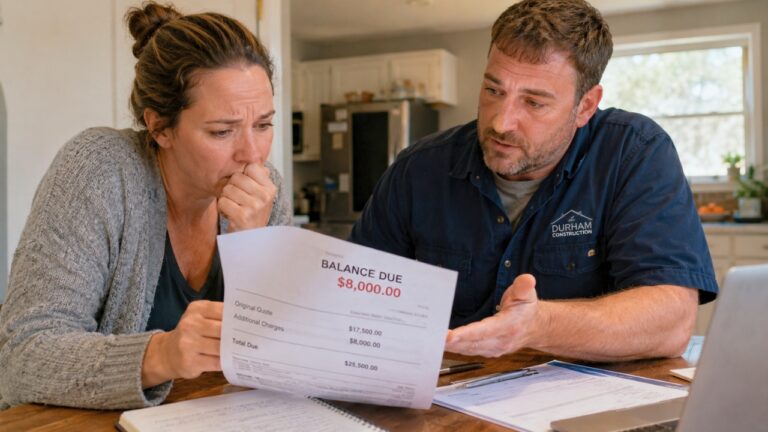
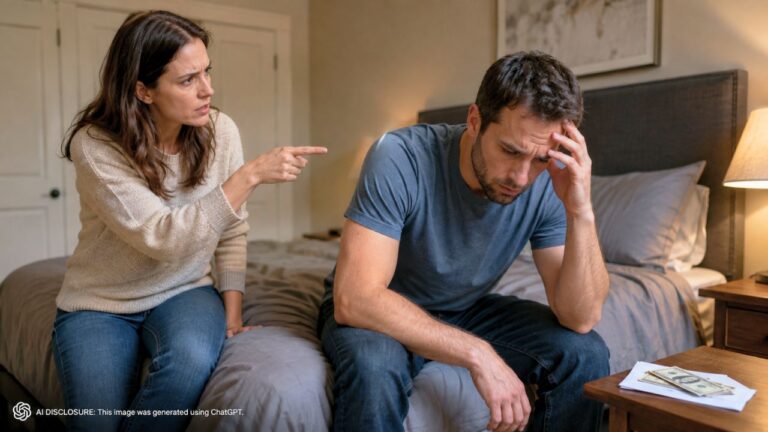
Group trips can fall apart fast when one person backs out at the last minute, especially when money is already locked in and nobody really knows what is fair anymore. Most people can understand a real emergency. What gets messier is when the explanation starts to feel shaky, the messages get tense, and suddenly the whole thing turns from a travel issue into a friendship-ending fight. That is a big part of why one Reddit post got people talking after a woman said her friend dropped out of a group Airbnb just two days before the trip for what was described as a medical emergency.
According to the post, the friend said she could not go because of a sudden case of shingles. On its own, that would have been enough to make the cancellation disappointing but understandable. But the woman who shared the story later added a detail that completely changed how readers saw it: she said that same friend was on a beach vacation the day after the group got back. That twist is what turned a basic refund dispute into the kind of story people immediately had opinions about.
In the update, the Reddit user said she had already posted about the situation once, then came back with more context because people had questions. She explained that the friend canceled two days before departure, said the shingles came on suddenly, and was otherwise an able-bodied adult. She also made it clear that the biggest issue was no longer just the lost money. By that point, she said, the entire friendship felt “absolutely cooked,” pointing not only to the financial argument but also to the friend’s tone in their messages.
That message tone became part of the drama too. The original poster said her friend had been using ChatGPT “to sound like a lawyer” in their responses, which gave the whole thing an even pettier feel in the comments. She admitted she had used it once herself to respond because she was so frustrated with the back-and-forth, but by then it sounded like the dispute had stopped being about one canceled trip and started feeling like two people trying to win a case against each other.
What made the story stick is that it taps into a situation a lot of people can picture instantly. Most readers know the stress of group travel math, where one late cancellation can leave everybody else eating the cost. Even commenters who sympathized with the idea of a real medical emergency still said the refund was not automatically the poster’s responsibility, especially if the Airbnb was nonrefundable that close to the trip. Once the beach vacation detail entered the picture, a lot of that sympathy disappeared.
The comments were blunt. One person wrote that the friend was “an idiot,” while another said they originally assumed it was a genuine emergency until they saw the shingles-and-beach-vacation update, calling the situation ridiculous. Someone else pointed out that people buy concert tickets all the time without “planning or booking” the event themselves and still are not entitled to a refund just because they cannot make it. The general feeling was that missing a trip does not magically transfer the cost to someone else, especially two days before check-in.
A few commenters did pause to note that shingles can be serious. Some said it can leave people in intense pain for weeks and even cause long-term nerve damage or vision loss. But even among people making that point, the same reaction kept coming up: the beach trip right after was hard to ignore. One commenter said shingles can absolutely “mess you up,” which is exactly why the follow-up vacation made the story feel suspicious to so many readers.
That is really why the post took off. It was not just about a canceled Airbnb or a friend asking for money back. It was about the moment a reasonable-sounding explanation stopped sounding so reasonable. Once people heard “medical emergency” and then “beach vacation right after,” they were not just weighing a refund anymore. They were deciding whether the whole thing sounded like a lie, and whether the friendship could survive that kind of bad-faith argument.
In the end, the original poster sounded less upset about the lost money than about what the situation revealed. The trip may have been the trigger, but the real breaking point seemed to be the feeling that her friend was not being honest, was handling the dispute badly, and was trying to pressure her into fixing a problem she did not create. That is the part readers really reacted to, because once trust goes, a fight over one shared Airbnb bill suddenly looks a whole lot bigger than the trip itself.

Abbie Clark is the founder and editor of Now Rundown, covering the stories that hit households first—health, politics, insurance, home costs, scams, and the fine print people often learn too late.