
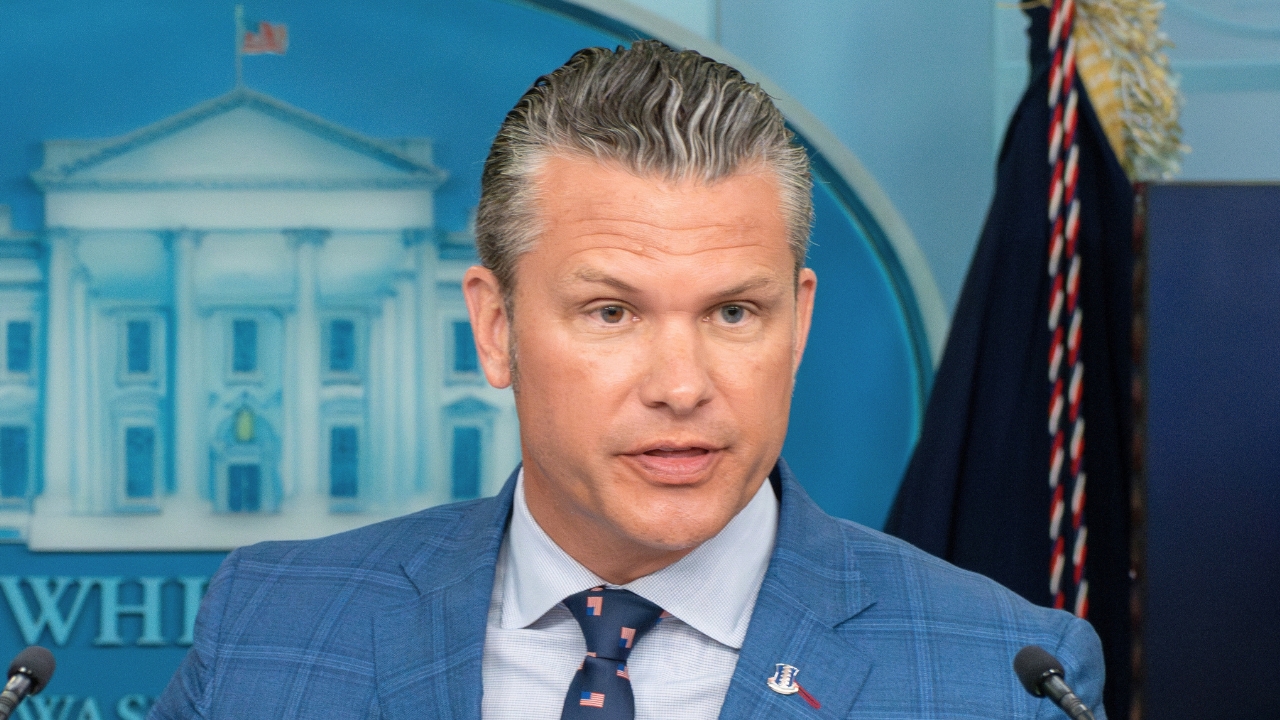
Hegseth spent $93.4 billion in one month, watchdog says, with purchases ranging from furniture to lobster tails
WASHINGTON — A new watchdog report is fueling fresh scrutiny of Defense Department spending after finding that the Pentagon spent $93.4 billion on grants and contracts in September 2025 alone, the highest single-month total for any federal agency since at least 2008, according to Open the Books. The nonprofit’s review says nearly $50.1 billion of that total went out in just the last five working days of the fiscal year, when agencies often rush to use remaining funds before they expire.
In addition to billions of taxpayer dollars being burned in this war in Iran, reports are showing that Sec. Pete Hegseth blew $93 billion in federal DOD funding at the end of last year on:
— Rep. Melanie Stansbury (@Rep_Stansbury) March 10, 2026
$3.5 billion for cable TV
$225 million for furniture
$15.1 million for ribeye steaks
$6.9…
The report has drawn attention because of some of the purchases highlighted in the data, including $225.6 million on furniture, $15.1 million on ribeye steak, $6.9 million on lobster tail, $2 million on Alaskan king crab, $1 million on salmon, roughly $139,224 on donuts, more than $124,000 on ice cream machines, a $98,329 Steinway grand piano, a $21,750 Japanese flute, and $12,540 for fruit basket stands. Open the Books also said the Pentagon spent $3.5 billion on services such as technical support and cable television within a broader $5.9 billion information technology and telecommunications category.
The figures began circulating widely online after Rep. Melanie Stansbury, D-N.M., posted a list of the purchases while accusing Defense Secretary Pete Hegseth of burning through taxpayer dollars. But the underlying report does not say Hegseth personally approved each individual expense. Instead, it attributes the spending to the Department of Defense during Hegseth’s leadership, using government contract and grant data to describe a department-wide year-end spending surge.
That distinction matters. End-of-year federal spending spikes are a longstanding budget phenomenon, not something unique to one administration. The Government Accountability Office has warned for decades that agencies with large amounts of unobligated money at fiscal year’s end can end up funding lower-priority projects or making rushed purchases. A National Bureau of Economic Research summary of federal procurement data similarly found agencies spend far more in the final week of the fiscal year than during a typical week, a pattern widely described as “use it or lose it.”
Open the Books said the September 2025 surge was historic even by those standards. The watchdog, which has tracked annual Pentagon September spending for years, argued that the latest spike should raise questions about oversight and priorities, especially as the U.S. faces growing military pressures abroad. The group said the issue is not just luxury food items or unusual one-off purchases, but the larger incentive structure that pushes agencies to exhaust funds before the budget clock runs out.
At least some criticism has crossed party lines. Coverage of the report noted that Sen. Joni Ernst, R-Iowa, has pushed for tighter scrutiny of end-of-year Pentagon spending, even as the issue has also been seized on by Democratic critics and late-night commentators. As of the latest reports, the Pentagon had not publicly responded to the watchdog’s findings.
For now, the report appears to support this much: the Pentagon did post an extraordinary September 2025 spending surge, and the totals cited for items like furniture, seafood, steak and specialty goods are grounded in a watchdog analysis of federal spending records. What remains less clear is how much of that spending reflected waste, how much served legitimate military or base-support functions, and whether any of the purchases will trigger formal investigations or policy changes.


