“Donald Trump has deployed massive amounts of firepower abroad without Congressional approval to use military force.” Schiff warns — and Trump’s Iran buildup is setting off a war-powers fight
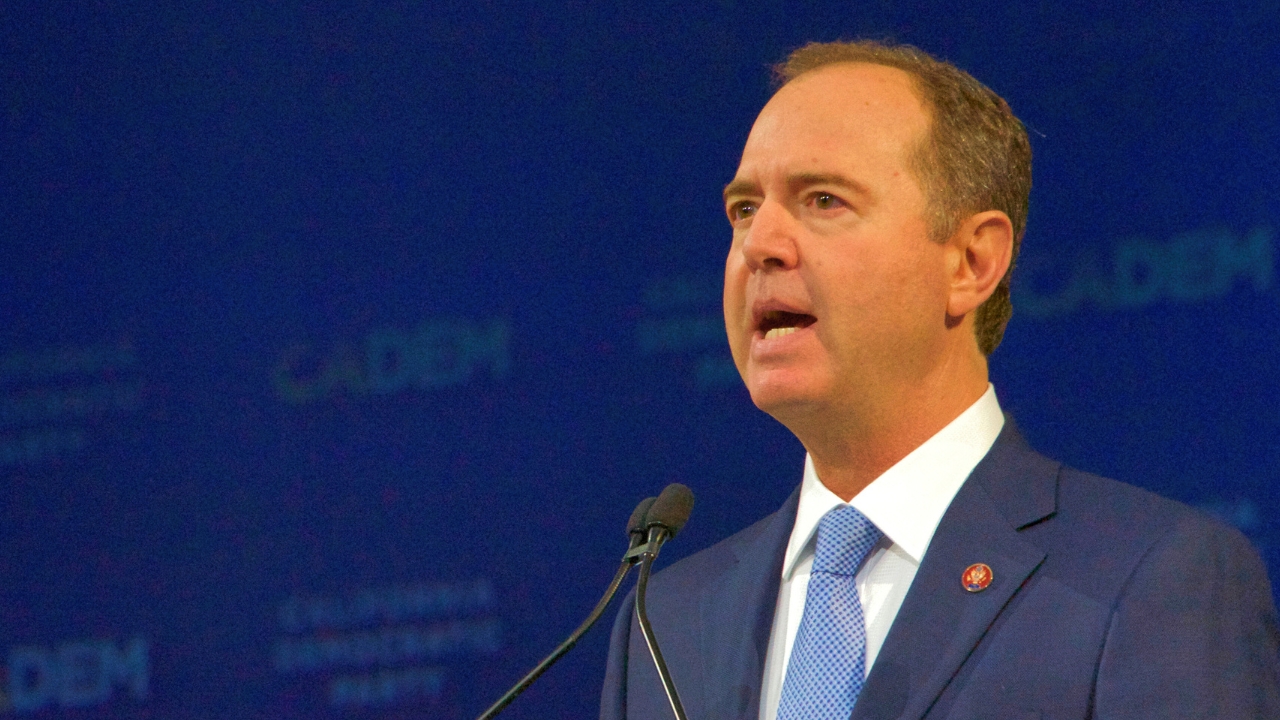
Sen. Adam Schiff is accusing President Donald Trump of once again flexing U.S. military muscle overseas without Congress signing off — and he’s warning lawmakers they’re about to lose their say on war and peace if they don’t push back.
In a post that quickly ricocheted across political X, Schiff said Trump has “deployed massive amounts of firepower abroad without Congressional approval to use military force,” adding that military leaders are raising alarms privately while “the public is left in the dark.” Schiff’s bottom line: Congress has to “reassert its war powers, or it risks losing them for good.”
Here’s what’s driving the latest blowup: new reporting and fresh chatter around a U.S. military buildup in the Middle East tied to Iran — and warnings from senior military leadership that an attack could spiral fast.
What Schiff is talking about (and why it’s blowing up now)
The immediate backdrop is heightened tension with Iran and visible U.S. force posture changes in the region. Recent reporting has described a U.S. buildup that some analysts frame as a pressure and deterrence campaign — not necessarily an imminent Iraq-style invasion — but still a major escalation that gets people asking the same question: who authorized this, and what’s the endgame?
At the same time, there’s been public reporting about internal concern from top U.S. military leadership over the risks of a direct strike on Iran — including fears of being pulled into a prolonged conflict. Trump has pushed back on at least some of those characterizations publicly, which only adds fuel to the “what’s really happening behind closed doors?” argument Schiff is making.
That tension — visible military movement + warnings about risk + political messaging — is exactly the mix that produces war-powers outrage online, because people on both sides read it through totally different lenses:
- Critics see a president inching toward a conflict without public consent.
- Supporters see necessary deterrence, leverage, or protection of U.S. interests and allies.
So… does Trump need Congress?
This is where the war-powers fight always gets messy.
Under the War Powers Resolution, a president is generally expected to notify Congress quickly when U.S. forces are introduced into hostilities (or situations where hostilities are imminent), and there’s a clock that limits how long forces can remain engaged without congressional authorization.
Presidents of both parties have routinely argued they have broad Article II authority as commander in chief to act quickly — especially for limited strikes, urgent threats, or to protect U.S. personnel — while critics argue that turns “limited” actions into open-ended missions with no real vote.
Schiff’s argument is basically: even if a president can act fast in a crisis, Congress can’t keep acting like a spectator.
Why people want more details (and what they’re asking to see)
Schiff’s post is also tapping into a very specific public frustration: when major military decisions are discussed in leaks, anonymous sourcing, or vague official language, people feel like the facts are being rationed.
The “what documents?” part matters here: Schiff isn’t pointing to a single newly released dossier in his post — he’s pointing to what he says is private alarm from military leaders and the broader pattern of executive-branch action that Congress later learns about after the fact.
That’s why the demands tend to cluster around:
- clear explanations of what U.S. forces are doing and why,
- what the mission objectives are (deterrence? retaliation? regime pressure?),
- what would trigger strikes, and
- whether Congress will get a real vote before anything expands.
The political reality
Even when war-powers arguments trend, they usually crash into the same wall: Congress often moves slowly, parties split depending on who’s in the White House, and presidents tend to treat “authorization” as optional unless lawmakers force the issue.
Schiff is trying to make it a now-or-never moment — and the Iran buildup chatter is giving that message a tailwind.