Facing immigration fury, Trump rang Schumer to cut a deal
Photo credit: Kaua209/Shutterstock.com
Facing a revolt over immigration policy and the prospect of a prolonged funding lapse, President Donald Trump quietly shifted from public confrontation to direct engagement with Senate Democrats. Instead of relying only on televised pressure campaigns, he moved into more discreet negotiations with Senate Minority Leader Chuck Schumer as both sides searched for a way to keep the government open. The resulting talks, while not fully transparent to the public, reshaped the shutdown fight and produced a fragile framework that tried to balance border enforcement with new limits on federal power.
The emerging deal, centered on the Department of Homeland Security, showed how fast the politics of immigration can flip from rally-stage rhetoric to backroom bargaining. Trump’s allies demanded a hard line, while Schumer’s caucus insisted on civil liberties protections and accountability for immigration officers. The clash forced both men to test how far they were willing to bend under the glare of a partial shutdown and the anger of their own bases.
The shutdown that forced Trump to the table
The confrontation reached a breaking point when the federal government slipped into a partial shutdown after lawmakers failed to finalize funding for key agencies. According to Key Points from one detailed account, the lapse in appropriations was driven by an immigration dispute that left federal workers and contractors facing uncertainty as operations slowed or stopped. The fight was not about the entire budget, but the targeted standoff over Homeland Security funding gave both parties maximum leverage and maximum risk.
Trump had spent months framing immigration enforcement as a defining test of his presidency, but the shutdown raised the cost of that stance in real time. Agencies that handle border security and interior enforcement were caught in the crossfire, even as the White House insisted it would not back down. The pressure of a government closure, combined with public frustration, created the conditions in which Trump and Schumer had little choice but to explore a compromise that could restart operations without either side appearing to surrender.
How immigration politics boxed in both parties
Immigration had already become the central fault line in the funding talks, with Republicans and Democrats locked into positions that left little room for a clean spending bill. Reporting on the standoff described how Trump and his party tied routine appropriations to demands for tougher enforcement, while Democrats insisted that any deal must also curb abuses and increase transparency in how officers operate. That dynamic meant the shutdown was never just about money, it was about the rules that would govern federal power at the border and in American cities.
In Minneapolis and other communities, the politics of immigration enforcement had become especially charged, and Trump’s own travel and messaging there underscored how he was using the issue to rally supporters even as it complicated governing. One account of his strategy highlighted how the president leaned on immigration as a wedge while Congress wrestled with a funding package that included Homeland Security, putting the Republicans in a bind between base expectations and the practical need to keep the government open.
Inside the Capitol, a shutdown drama in real time
As the shutdown loomed and then began, the U.S. Capitol became the visual symbol of a government stuck between hardline demands and the need for compromise. Images of the Capitol in Washington captured the stakes as lawmakers huddled in closed-door meetings and leadership offices. The building itself, photographed on a Friday with its familiar dome, served as a backdrop for a funding package that specifically included Homeland Security, the very department at the center of the immigration clash.
Inside, the mood was tense as both parties weighed the political cost of either prolonging the shutdown or accepting a deal that might anger their core supporters. Senators and representatives cycled between the floor and private negotiations, trying to piece together a short term solution that would restore funding while leaving room for a broader fight over immigration policy later. The visual of a lit Capitol at night, even as parts of the government were going dark, underscored how much of the real action was happening out of public view.
Trump’s pivot from public brinkmanship to quiet negotiations
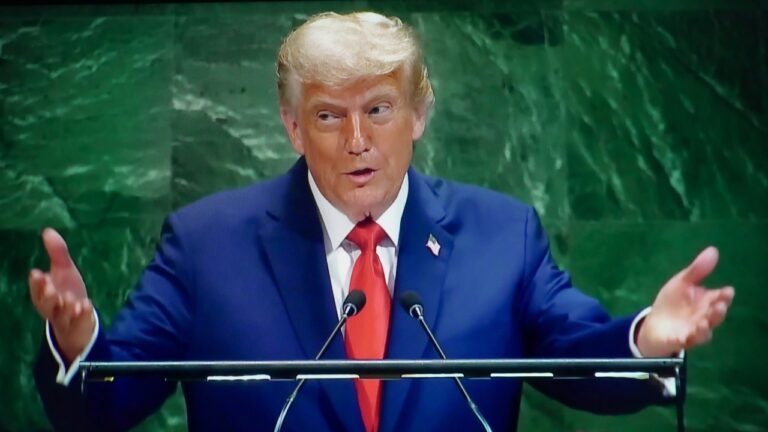
Initially, Trump leaned heavily on public brinkmanship, using speeches and statements to pressure Democrats to accept his preferred enforcement measures. That approach began to shift once it became clear that Senate Democrats were willing to block a funding package rather than accept a bill that ignored their demands on immigration rules. At that point, the White House started to engage more directly with Schumer and his team, signaling a willingness to talk about substantive policy changes tied to Homeland Security funding.
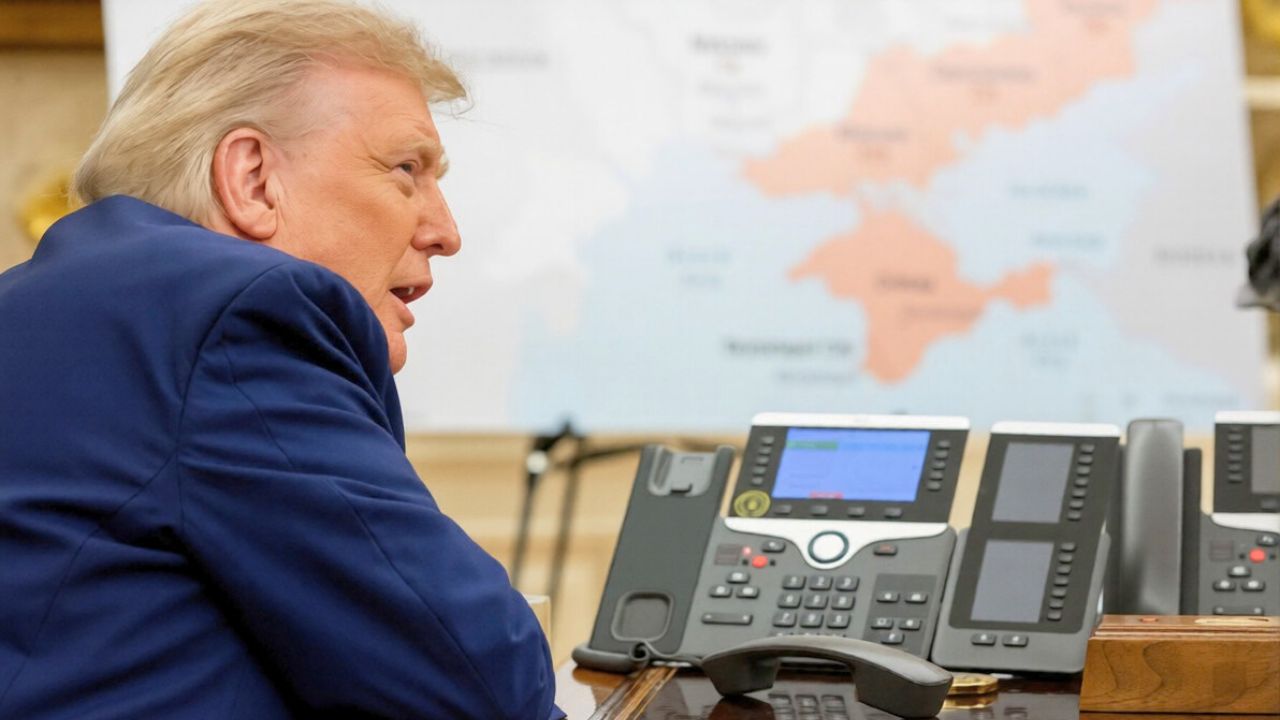
Accounts of the negotiations describe how President Donald Trump and Senate Democrats moved toward a deal that would avoid a prolonged shutdown and allow money to flow again to the Department of Homeland Security. One detailed report noted that Thursday, President Trump announced that he had reached an understanding with Senate Democrats to avoid a lengthy closure, a public acknowledgment that behind the scenes his team had been working with Schumer’s caucus rather than simply attacking it from afar.
Schumer’s leverage: masks off, cameras on
Schumer used the shutdown pressure to push for concrete changes in how immigration agents operate, turning civil liberties concerns into bargaining chips in the funding talks. He argued that any agreement on Homeland Security money should come with stronger requirements for transparency and accountability, particularly in situations where federal officers interact with protesters or local communities. That stance reflected growing unease among Democrats about unmarked agents and aggressive tactics that had surfaced in earlier enforcement operations.
In one key demand, Schumer said agents should be required to have “masks off, body cameras on” and to carry proper identification, aligning federal standards more closely with what is common practice for local police. He and allies, including Sen. Tina Smith of Minnesota, framed these conditions as basic safeguards rather than radical reforms, arguing that if the federal government wanted fresh money for Homeland Security, it had to accept clearer rules on how its officers present themselves and document their actions.
The Senate’s scramble and a narrow path to a deal
While Trump and Schumer’s teams explored the contours of a compromise, the Senate scrambled to keep the shutdown as short as possible. Floor managers rushed to assemble a funding bill that could pass with bipartisan support, even if it only extended money for a limited period and postponed the most explosive immigration fights. The urgency was visible as senators cycled through procedural votes and last minute amendments aimed at threading the needle between enforcement hawks and civil liberties advocates.
Coverage of the chamber’s work described how the Senate approved a funding deal to avoid a longer shutdown, delaying a larger fight over DHS and immigration enforcement. The politics updated around that vote showed how leaders were willing to accept a temporary truce, using a short term bill to restore operations while setting up future debates on oversight, body cameras, and mechanisms to investigate incidents involving immigration officers.
Trump and Schumer edge toward a Homeland Security framework
As the shutdown drama unfolded, Trump and Schumer emerged as the central figures in shaping a potential framework for Homeland Security funding. Their discussions, while not fully detailed in public, were described as moving both sides toward a possible agreement that would pair new limits on enforcement tactics with the money the department needed to function. The fact that the president and the Senate minority leader were both invested in this outcome gave the talks a weight that earlier staff level conversations had lacked.
One account noted that President Donald Trump. Chuck Schumer appeared to move toward a deal to prevent a government shutdown by Saturday, with Democrats insisting on immigration reforms that would align federal use of force rules more closely with those of local police. Another report described how President Donald Trump discussed a potential deal on DHS funding to avert the shutdown, underscoring that the two leaders were directly engaged in trying to reach an understanding.
The substance of the emerging immigration limits
Beyond the political theater, the talks produced a concrete set of ideas about how to rein in certain immigration enforcement practices. The emerging bill proposed new limits on tactics that had drawn criticism in recent years, including the use of unmarked officers and aggressive crowd control measures. It also sought to create clearer pathways for investigating alleged misconduct, reflecting Democrats’ insistence that any funding deal must come with stronger oversight tools.
According to one detailed description, The bill proposes new limits on immigration enforcement tactics and increases accountability measures for officers accused of using excessive force or engaging in other alleged misconduct by immigration officials. Those provisions dovetailed with Schumer’s push for “masks off, body cameras on” and visible identification, creating a package that tried to answer civil liberties concerns without stripping the executive branch of its core enforcement authority. For Trump, accepting such language risked criticism from his right flank, but it also offered a way to claim that he had secured continued funding for border security while agreeing to what he could frame as reasonable transparency measures.
Democrats’ internal tensions and the road ahead
Even as Schumer negotiated with Trump, he faced pressure from within his own caucus to hold the line on immigration reforms. Some Democrats were wary of any deal that might be seen as too lenient on enforcement practices they had spent years criticizing, while others worried that prolonging the shutdown would backfire politically. The internal debate played out in closed door meetings and public statements as lawmakers weighed whether the emerging framework went far enough to justify reopening the government.
At one key moment, Democrats blocked a government funding package in the Senate as negotiations continued, a move that underscored their willingness to use procedural power to demand stronger immigration safeguards. Senate Minority Leader Chuck Schumer, D-N.Y., waited to speak to reporters after a closed door meeting with fellow Democrats, signaling that any final agreement with Trump would have to survive scrutiny from a caucus that had already shown it was prepared to reject a bill it considered too weak. That tension ensures that even if the current shutdown is resolved, the underlying fight over immigration enforcement and federal power is far from over.