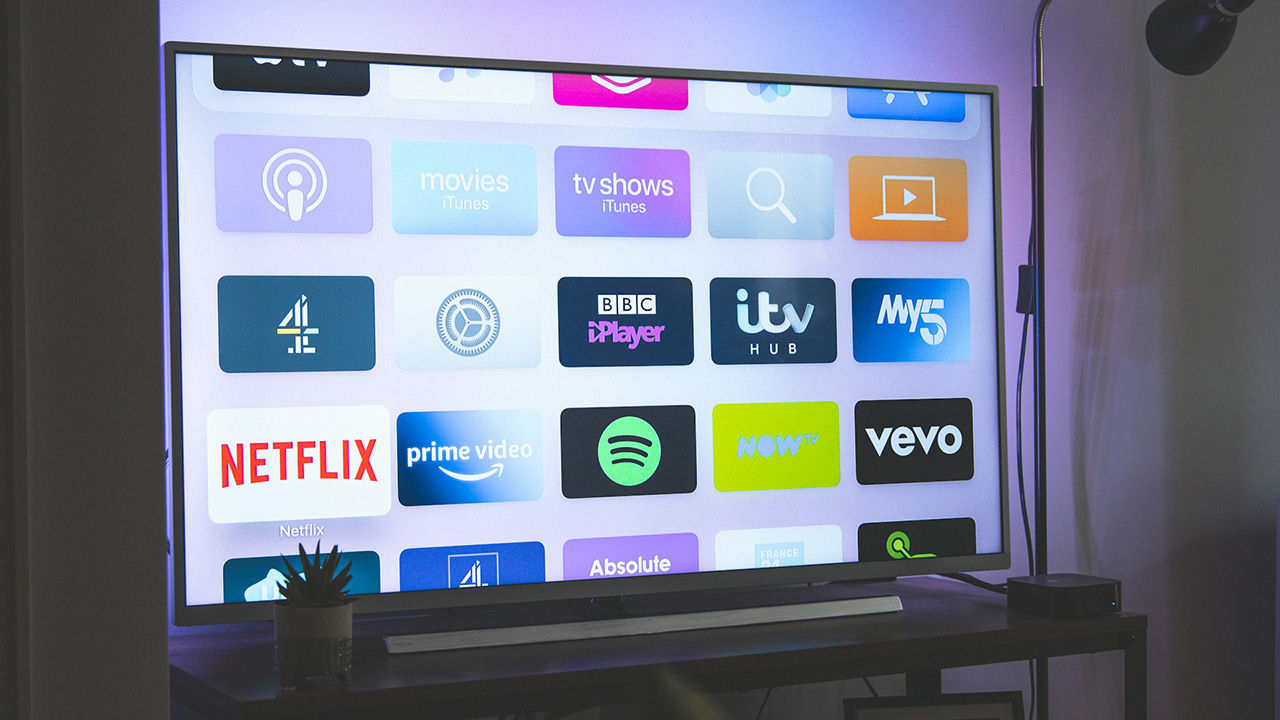
Cancelling subscriptions is harder than it should be—how to do it cleanly
Photo credit: Nicolas J Leclercq/Unsplash.com
Subscription services are designed to feel invisible until the charges pile up and you realize how much of your budget is leaking away. You are not imagining it if canceling feels far more complicated than signing up, and that friction is costing you real money. With a clear plan, a few smart tools, and a better grasp of your rights, you can unwind the mess and shut off recurring payments cleanly instead of fighting the same charges month after month.
The goal is not to swear off subscriptions altogether but to put you back in control. That starts with understanding why companies make quitting so awkward, then moves through practical steps to find every recurring charge, cancel it at the source, and, if needed, cut it off at your bank or card. Along the way, you can lean on technology, emerging consumer rules, and a simple paper trail so that when you say you are done paying, the billing actually stops.
Why canceling feels so much harder than signing up
Most subscription businesses are built around what economists call “friction,” and you feel it every time you spend 30 minutes in a maze of menus just to stop a $9.99 charge. Companies make it easy to start and weirdly hard to quit because every extra click, chat queue, or “are you sure?” screen increases the odds that you will give up and keep paying. If you have ever tried to cancel and ended up stuck in a customer service chat or on hold after digging through menus for half an hour, you have experienced exactly the pattern highlighted in a Jul segment that captured how routine this frustration has become.
That friction is not just annoying, it is profitable. When you forget about a subscription or postpone canceling because the process is tedious, the provider keeps billing your card for Months or even years. Consumer advocates point out that Months can go by before you notice a recurring charge on your statement, and But by then you may have paid for services you barely used, which is why they urge you to check your credit card statements regularly and read privacy policies carefully, as explained in detailed guidance. The combination of deliberate design choices and your own limited time is what makes canceling feel like a chore instead of a basic consumer right.
New rules are trying to make quitting simpler
Regulators have started to recognize that the imbalance between one-click signups and obstacle course cancellations is not sustainable. In the European Union, Member States are required to transpose new consumer rules into national law by Dec 19, 2025, and those rules will force online sellers to provide a clear “cancel contract” option for ongoing services. The obligation itself will apply from June 19, 2026, and it covers any business that lets you conclude contracts online for goods or services, including digital content, utilities, and even hire, catering or leisure activities, according to a detailed summary of the new EU requirement. The idea is simple: if you can sign up on a website, you should be able to cancel on that same website without hunting for a phone number.
The United Kingdom is moving in a similar direction, although on a slower timetable. New UK consumer protection rules for subscription contracts are being developed as part of a broader Act, and They will require clearer pre-contract information, reminder notices before renewal, and straightforward exit routes for all subscription contracts, as outlined in a consultation on the Act changes. However, The Department for Business and Trade (DBT) has confirmed that the secondary legislation needed to bring this subscription regime into force has been pushed back to autumn 2026, a delay explained in a Dec update. In the United States, a federal “click to cancel” rule has faced legal setbacks, and a recent court decision striking it down has left consumers more reliant on state laws and their own tools, which is why Knowing your rights under state laws and using digital cancellation tracking apps is now being promoted as a practical workaround in coverage of the US court ruling.
Start with a ruthless subscription audit
Before you can cancel anything, you need a complete picture of what you are actually paying for. That means going beyond the handful of services you remember and conducting a real audit of your accounts. Consumer advocates recommend that you Scan 60 to 90 days of card and bank statements and make a “hit list” of every recurring charge, a tactic laid out in a practical guide that urges you to start with a “subscription audit” and even look for services that bill through your phone carrier instead of on their app, as described in a Nov explainer. When you see the full list in one place, it becomes much easier to decide what is essential and what is just inertia.
To make that audit less painful, you can lean on technology. There are also apps that can help you track and manage your subscriptions, and There are services that connect to your accounts, categorize recurring payments, and show you how often you actually use each one, as outlined in a five step guide to auditing your subscriptions that highlights how asking yourself whether you still use the service and how often can reset your spending habits, as explained in a Dec walkthrough. If you prefer to do it manually, a simple spreadsheet with columns for cost, renewal date, and cancellation status can give you the same clarity, especially once you start working through the list.
Use search and your inbox to find hidden accounts
Once you have a list of suspicious charges, the next step is figuring out which company is behind each one and how to reach them. In the meantime, consider a few simple tricks that make this detective work easier. One is to Search using the company’s name in your email inbox, which can surface welcome messages, receipts, and renewal notices that contain direct cancellation links, a tactic recommended in a guide that notes how saving those emails in a dedicated folder makes things easier when you need them, as described in a Jan tip sheet. Another is to plug the descriptor from your card statement into a search engine, which often reveals the brand behind a cryptic billing name.
If that still does not work, you can widen the net. Bell says that conducting a web Search using the company’s name plus the word “cancel” often surfaces direct support pages or user forums that explain the process, a point made in a piece that asks Is There an Easier Way to Cancel Subscriptions and collects advice from consumer advocates like Bell and Melanie McGovern, as summarized in a Mar feature. If you still cannot match a charge to a service, a quick search of the descriptor on a major search engine can reveal whether others have identified it as a subscription, a scam, or a legitimate but obscure vendor, which helps you decide whether to cancel at the source or escalate through your bank.
Cancel at the source: apps, platforms, and providers
Whenever possible, you want to shut off a subscription where it was created, whether that is inside an app store, on a website, or through a platform like your phone carrier. On iPhone, the process is straightforward if you know where to look: Cancel a subscription on your device by going to Open the Settings app, tapping your name, then tapping Subscriptions, and finally tapping the subscription you want to manage before you Tap the option to Cancel, steps that are laid out clearly in Apple’s own Dec support instructions. You can also Change or cancel a subscription by going into Settings, selecting your name, then Subscriptions, and adjusting or ending the plan from there, as reinforced in a separate guide on how to see your purchases and manage subscriptions on iPhone.
On Android, the steps are similar but live inside Google’s ecosystem. Open the Google Play Store app on your Android and tap it from your home screen or app drawer, then go to your profile icon, choose “Payments and subscriptions,” and manage or cancel from there, a process broken down in a guide that walks You through how to Open the Google Play Store and tap through the menus again to complete the process, as detailed in a Jul tutorial. Google’s own help pages echo this, explaining that on your Android device you go to subscriptions in Google Play, Select the subscription you want to manage, then Tap Cancel subscription and Follow the instructions to finish, as set out in the official Android support steps. For subscriptions created directly on a provider’s website, you usually need to log in, find the billing or account section, and look for a cancel, pause, or downgrade option, which is why some financial coaches stress that Cancel directly with providers is still the most reliable route, as emphasized in a practical guide that notes Some services require logging into your online account and that Streaming platforms, cloud storage, and gyms often hide these options in less obvious menus, as described in a Dec overview.
When companies stall: escalation and payment cutoffs
Even when you follow the official steps, some companies drag their feet or quietly keep billing. That is when you need to move from routine cancellation to escalation. In the meantime, consider four tips for canceling subscriptions that go beyond the basic steps: Search using the company’s name to find direct contact details, Escalate to a supervisor if frontline support will not process your request, and document every interaction so you can prove you tried to cancel, advice laid out in a guide that opens with “In the meantime, consider these four tips for canceling subscriptions” and walks through each tactic in detail, as summarized in a Jan explainer. If you are dealing with a gym or club, for example, you may need to send a written notice, deliver a form in person, or follow a specific script to avoid extra fees.
When a provider refuses to cooperate, you can go upstream to your bank or card issuer. How to Stop Recurring Payments on a Credit Card or Debit Card is a question many people face when a company ignores cancellation requests, and one practical approach is to contact the company directly first, then, if that fails, ask your bank to block future charges or issue a new card number, as laid out in a guide titled How to Stop Recurring Payments on a Credit Card or Debit Card that notes Suppose you are paying regularly through your debit or credit card for a service you no longer want, you may need to send a written request to the billing department, as explained in a detailed How to Stop Recurring Payments walkthrough. Now, all you have to do is set aside some time to cancel each of these payments manually, which can be a bit painful as you work through your list, but financial coaches argue that it will be worth it in the end, a sentiment captured in a guide that notes Now all you have to do is tackle each subscription one by one, as described in a subscription cost breakdown.
Let technology do the heavy lifting
If combing through statements and contacting each provider sounds overwhelming, subscription tracking apps can automate much of the work. Third-party services can be a powerful tool for managing your subscriptions effectively and efficiently, since they connect to your bank and card accounts, identify recurring services, and provide overviews of your spending, as explained in a guide that notes these platforms can track renewals, flag price increases, and sometimes even cancel on your behalf, as described in a full subscription tracking guide. Some of these tools are built into budgeting apps, while others focus solely on subscriptions.
Among the best known are Rocket Money and Hiatus. A recent comparison of the Best subscription trackers named Rocket Money as Best for saving money and Trim by OneMain as Best for texters, highlighting how these services can negotiate bills and cancel unwanted subscriptions, as outlined in a Dec roundup. Hiatus, which runs on Platform options like Android and iOS, is Free to download but charges $9.99 per month for Premium, and its features include tracking your subscriptions, alerting you to upcoming and unusual bills, and helping you avoid subscription price increases, as detailed in a Oct review. Rocket Money itself promotes that Rocket Money instantly finds and tracks your subscriptions and that Rocket Money is there when you need it to cancel services so you do not have to, a promise spelled out on the Rocket Money site. There are also legacy references to Truebill, which some guides still mention as a free app with premium features, and one recent money saving piece notes that Truebill is free but has premium tiers that can help you audit your subscriptions, as mentioned in a Dec guide. Another overview of how to find and cancel unwanted subscriptions recommends using an audit of your accounts and then connecting to tools like Rocket Money to streamline the process, as described in a CNET explainer, while a separate video guide from Consumer Reports on canceling unwanted subscriptions underscores that if saving money is one of your New Year’s resolutions, starting with a subscription cleanup is one of the fastest wins, as discussed in a Feb video.
Document everything so cancellations stick
Even when you manage to cancel, the job is not finished until you have proof. Save confirmation emails, screenshots, or PDFs of any cancellation page you see, because those records are your best defense if a company keeps charging you. One practical guide on canceling a gym membership stresses this point explicitly, advising you to Save confirmation and Always take a screenshot or download proof of cancellation because this helps if billing disputes arise later, as explained in a step by step gym guide. The same logic applies to streaming services, cloud storage, and software subscriptions, where a single missed click can mean another year of charges.
When you cancel by phone or chat, treat it like a formal transaction. Ask, “Can you confirm this cancellation in writing?” and note the date, time, and name of the representative, a script suggested in a consumer advisory that points out how Companies make it easy to sign up and weirdly hard to quit, and that you should Scan 60 to 90 days of statements afterward to ensure the charges really stop, as described in a Nov consumer warning. If a dispute escalates, that paper trail can support a chargeback request with your card issuer or a complaint to a regulator, especially in jurisdictions where new rules require companies to provide a copy of any cancellation form you submit, as noted in a legal analysis of the EU’s requirement that businesses keep a copy of the submitted form and provide it to consumers, as explained in a Jul legal brief.
What this means for businesses and the future of subscriptions
For businesses, the tightening rules and rising consumer awareness are a signal that the old playbook of burying cancellation links is running out of road. All subscription contracts will need to have clear pre-contract information, accessible cancellation mechanisms, and fair renewal practices under the evolving UK regime, as outlined in the consultation on new UK consumer protection rules that explains how They are in addition to the more general changes to UK consumer protection law in the Act, as detailed in a Nov legal analysis. In the EU, businesses that sell online will have to build and maintain a dedicated cancel contract button, and they will need to adjust their customer journeys so that quitting is as straightforward as signing up, as explained in the EU rule summary. Even e-commerce platforms like Shopify are adapting, with some store owners using Apps like Order Au and other third party tools to handle highly specific or rule based cancellations, a strategy described in a guide that notes Apps and custom scripting can be a boon for stores with specific operational policies, as outlined in a Shopify cancellation guide.
For you as a consumer, the direction of travel is clear even if the timelines are messy. Over the next few years, you should see more services offering simple online cancellation, clearer renewal reminders, and fewer dark patterns that trick you into staying. In the meantime, you can combine the tools and tactics already available, from subscription trackers like Rocket Money and Hiatus to practical how to guides like the comprehensive overview of how to cancel subscriptions that urges you to Cancel directly with providers and notes that Some services and Streaming platforms still require extra steps, as detailed in a PocketGuard guide. Consumer education efforts, including video explainers on how to find and cancel unwanted subscriptions that stress checking your statements and using apps to track recurring charges, such as a Consumer Reports video, are helping to close the gap between what the law promises and what you experience on your bank statement. If you stay organized, document your actions, and use the right tools, you can navigate this imperfect landscape and finally make canceling subscriptions as routine as signing up should have been all along.