The HR Manager Who Told Me to Quit 3 Years Ago Just Interviewed at My Company — I’m the One Deciding
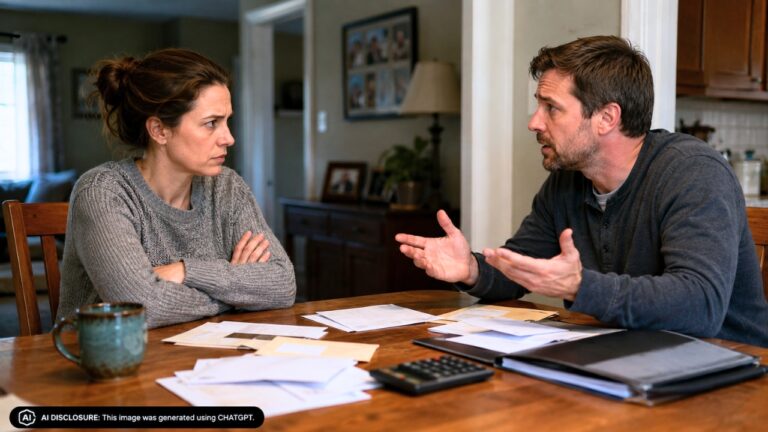
Photo credit: AI-generated image created using ChatGPT. Illustrative only.
Three years after walking out of a job that used to feel like home, a department head at a “cool” new company found herself in a rare position: the HR manager who once told her to quit was now the one trying to get hired—at her workplace, with her input helping decide the outcome.
The story, shared in the original post, is a slow-burn workplace breakdown that turns into a neat piece of professional déjà vu. It starts with a stable career, slides into a string of management changes, and ends with a hiring decision that feels less like revenge and more like a direct consequence.
For a decade, it was the kind of job people don’t leave
The employee, a 35-year-old woman in a large Western European city, joined a major company she calls “Happy Place” right after finishing her master’s degree. She’d interned there, impressed the right people, and built a reputation over the next ten years.
She moved from office assistant to office manager to head of one of the company’s biggest departments. The pay wasn’t spectacular, but it was above average with strong benefits, and she liked the people enough to stay. She also had a standout boss—“Maggie”—described as supportive, professional, and deeply respected.
By 2020, she was one of the most experienced people left. Coworkers came to her for guidance, and she had a good relationship with leadership. From the outside, it looked like the kind of long-term fit that would last.
Then “Happy Place” turned into “Sad Place” in about six months
The slide began with a new HR hire, “Karen,” who quickly became a central gatekeeper. The employee says Karen talked down to most staff, treated nearly everyone as beneath her, and started changing policies that stripped away popular benefits like free lunches and flexible paid time off for medical appointments.
What made it worse was the power shift. The CEO began relying on Karen so heavily that staff couldn’t easily reach him, and HR decisions flowed through her. Complaints didn’t go anywhere, and people started feeling stuck.
At the same time, Maggie moved into a different role and was replaced by “Susan,” a supervisor of the same age with less experience. On paper, Susan was the boss. In practice, the employee says she was doing the heavy lifting while Susan collected credit.
Then COVID hit their industry hard. Stress spiked, people quit, and replacements didn’t come. Susan went on medical leave at one point, and the employee describes herself covering her own job plus pieces of multiple others while barely taking vacation.
Even then, there was one detail that stung: a pandemic-related bonus. She didn’t receive one, despite hearing that others got a €1,000 payout for “achievements during the pandemic.”
The annual review that turned into a turning point
By January 2021, she decided she couldn’t keep operating in survival mode without recognition or improved conditions. For her annual review, she prepared carefully: a list of extra responsibilities, what she’d endured through 2020, and a request for a raise. She aimed for 15% but would have accepted 10%.
Because Susan was still out on leave, Karen handled the review—despite barely knowing her work firsthand. After hearing the case, Karen gave a response that landed like an insult: “OP, I appreciate everything you’ve been doing for the company and we value you as an employee. But your responsibilities and your abilities are not worth that much.”
The employee says she was stunned and emotional, but kept it together and told Karen she couldn’t keep working under those conditions. Karen’s reply was blunt: “Then you can quit, but I will be sorry to see you go.”
So she did.
There were two key things Karen didn’t realize. First, competitors had already been approaching her for years, and she’d recently interviewed with a new employer—“Cool Company”—that offered a 60% raise for essentially the same work. Second, she had more than two months of paid leave saved up, and she had written confirmation she could take it.
She put in a two-month notice, then took two months of vacation immediately. She only returned for a single day to clear her office and say goodbye. Her coworkers, she said, understood—even if it left them scrambling.
The company couldn’t replace her, and HR finally got investigated
After she left, friends still at Happy Place kept her updated. Her departure wasn’t isolated; it became the push that helped others decide to leave too. The workplace culture had shifted, and once one long-timer walked out, the dam started to crack.
The abruptness also caught the CEO’s attention, since the employee had previously had a good relationship with him. He asked Maggie what happened, and Maggie told him directly: the missing bonus, the way Karen spoke to staff, and Karen telling a key leader to quit if she didn’t like it.
That prompted an internal investigation. The CEO interviewed employees across departments and looked into the bonus issue. According to the account, the “COVID bonus” money wasn’t distributed evenly—Karen allegedly gave it to friends in different departments and awarded herself a particularly generous amount.
On top of that, the company struggled operationally without the employee. Her work apparently wasn’t easily absorbed or replicated, and Karen’s role in pushing her out made her the obvious focal point. The CEO ultimately terminated Karen’s contract, and the employee heard that staff celebrated the decision.
Three years later, the interview came full circle
The twist arrived at the employee’s new job. Her boss stopped by her office with a heads-up: the company’s HR professional “Jen” was retiring, interviews were underway, and one candidate was Karen.
He told the employee Karen seemed capable but wanted a lot of money. Since the employee had worked with her before, he asked what she was like and whether she deserved more than the company planned to offer.
The employee didn’t hedge. She asked if he had a few minutes and told him the story—how Karen handled her review, dismissed her value, and essentially dared her to leave. After hearing it, the boss laughed and said Karen wasn’t the right fit. He planned to reject her.
Later, the employee emailed “Laurie” in HR, who was managing candidate communications, and shared the same background. Laurie responded with an update—and copied the employee on the official rejection email to Karen. The message repeated Karen’s own words back to her: “After careful consideration we regret to inform you that in our opinion, your responsibilities and your abilities are not worth that much…”
The employee thanked Laurie with a large chocolate cookie the next day.
In an update, the employee added one more development: the CEO from Happy Place reached out and tried to recruit her back, offering more money. But she declined, saying he hadn’t really apologized for what he allowed to happen, and the workplace had lost too many good people to feel the same. Maggie had since joined her at Cool Company, and she said she couldn’t be happier. Karen, based on her LinkedIn, was still searching for work.

Abbie Clark is the founder and editor of Now Rundown, covering the stories that hit households first—health, politics, insurance, home costs, scams, and the fine print people often learn too late.