Apartment Storage Locker Was Broken Into — Then the Police Report Left the Tenant Wondering What Came Next
Photo credit: SeventyFour/Shutterstock.com
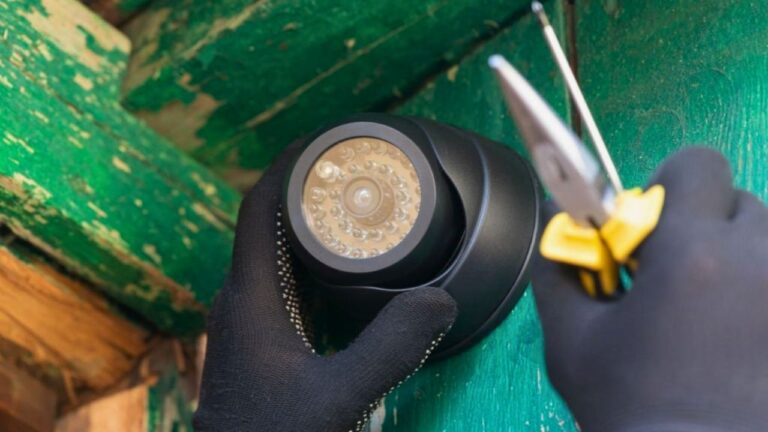
A tenant said a break-in at their apartment storage locker left them with missing property, a police report, and a frustrating question: what happens after the report is filed?
The tenant shared the situation in a post on r/legaladvice, explaining that their apartment storage locker had been broken into weeks earlier. For many apartment residents, a storage locker is the only place to keep things that do not fit inside the unit: tools, seasonal decorations, luggage, sports gear, keepsakes, small appliances, baby items, or boxes that still matter even if they are not used every day.
That is what makes a storage break-in feel so violating. The items may not be sitting in the living room, but they still belong to the tenant. They are still on the property. They are still supposed to be protected by locks, doors, cameras, gates, or whatever security the building claims to have.
According to the tenant, the storage locker had been broken into three weeks earlier. That time gap mattered. In the first day or two after a break-in, there may still be a chance to preserve camera footage, identify who had access, speak to neighbors, check nearby units, or recover items before they disappear. After several weeks, evidence can become harder to find.
The tenant had already filed a police report, but they were still left wondering what the next step was. That is a common and frustrating experience after a property crime. Filing the report feels like something official should start happening, but often the victim goes home with a report number and no clear timeline.
The questions start piling up. Should the apartment complex be responsible? Should management provide camera footage? Should renters insurance be contacted? Should the tenant demand repairs to the locker? What if other storage units were hit too? What if police never follow up? Does the tenant have any right to know whether the building had security failures?
The apartment setting made the situation more complicated because the tenant did not control the whole storage area. Management may control the building access, cameras, keys, gates, lighting, and locks on common areas. If the break-in happened in a shared storage room, the tenant may not be able to investigate much without help from the property.
The tenant also had to think about proof of what was missing. A police report documents that a break-in was reported, but recovering money from insurance or pursuing a claim usually requires more detail. The tenant may need photos, receipts, serial numbers, purchase history, or at least an itemized list of everything stolen or damaged.
The post did not describe police immediately finding the person responsible. It described the more common aftermath: the tenant had reported the break-in, but the storage locker was still violated, the property was still gone, and no one had clearly explained what came next.
Commenters Told the Tenant to Focus on Insurance, Evidence, and Management Records
Commenters generally told the tenant that the police report was only one piece of the process.
Several people said the tenant should contact renters insurance if they had a policy. Storage locker losses may or may not be covered depending on the policy, the location of the storage area, and the type of items stolen, but the police report number would likely be needed for any claim.
Others told the tenant to make a detailed inventory of everything missing or damaged. That meant item names, approximate values, purchase dates, receipts if available, photos, serial numbers, and any records that could prove ownership. A vague statement that “stuff was stolen” would not be as useful as a clear list.
Commenters also suggested contacting apartment management in writing. The tenant could ask whether other lockers were broken into, whether camera footage existed, whether footage had been preserved, who had access to the storage area, and what security repairs were being made. Written questions created a record in case management tried to minimize the issue later.
Several people warned that camera footage may be gone if no one requested it quickly. If the break-in happened three weeks earlier, the tenant needed to ask immediately whether video still existed and whether management had already saved it for police.
There was also advice to repair or change the lock and improve the storage setup if allowed. Even if management controlled the larger storage room, the tenant might be able to use a stronger lock, avoid storing valuables there, or move important items back into the apartment.
The post did not end with the stolen property recovered or the complex accepting responsibility. It ended with the tenant trying to understand what power they still had after the official report was already filed.
That is what made the situation frustrating. A police report creates a record, but it does not automatically replace belongings, secure the storage room, or make management investigate.
Commenters did not tell the tenant to wait quietly for police to call someday. They told them to document every missing item, contact insurance, push management for records and security answers, and preserve whatever evidence might still exist.
Because when an apartment storage locker is broken into, the report number is only the beginning. The real work is proving what was lost, finding out how the break-in happened, and making sure the same storage room is not left vulnerable for the next tenant.

Abbie Clark is the founder and editor of Now Rundown, covering the stories that hit households first—health, politics, insurance, home costs, scams, and the fine print people often learn too late.