Man Says the Other Drivera Lied to Police — Then a Neighbor’s Camera Changed the Whole Crash Report
Photo credit: Usman Malik/Unsplash.com
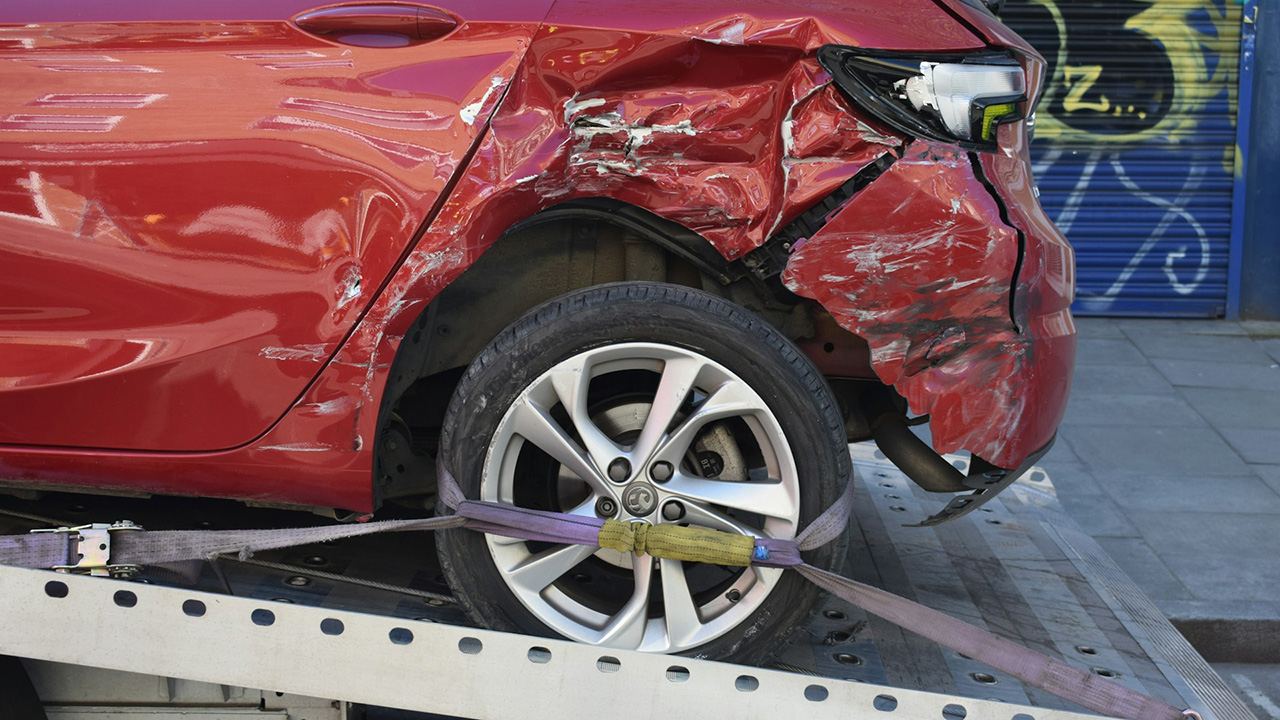
A driver said a routine crash report became a bigger legal headache after the other motorist allegedly gave police a false version of what happened, only for nearby camera footage to tell a different story.
The driver shared the situation in a post on r/legaladvice, explaining that they had been involved in a motor vehicle accident and later learned the other driver’s report did not match what they believed had actually happened.
That alone would be frustrating. After a crash, both drivers are usually trying to deal with police, insurance, repairs, possible injuries, and the stress of sorting out fault. If one person gives a version of events that does not line up with reality, it can affect everything that comes after: the police report, the insurance decision, and whether one driver ends up paying for damage they believe they did not cause.
But this driver had something that changed the situation.
According to the post, they were able to get video evidence from a neighbor. That camera footage appeared to support their version of the crash and undercut what the other motorist had told police.
That is the kind of discovery that can shift a case quickly. Without video, a crash can turn into two competing stories. One driver says the light was green. The other says it was red. One says they were already in the lane. The other says they were cut off. One says the other person backed into them. The other says they were hit.
Police may rely on statements, damage placement, witness accounts, road conditions, and whatever physical evidence remains. Insurance companies do the same. But a neighbor’s camera can give a clearer timeline, especially if it captures the impact or the seconds leading up to it.
For the driver, the footage raised a new question: what now?
They wanted to know how to handle the false police report and what to do with the video. Should they take it back to police? Send it to insurance? Ask for the report to be corrected? Could the other driver face consequences for allegedly lying? Would the footage change fault?
Those questions matter because getting video is only the first step. The driver still needed the right people to see it before decisions became final. If the police report had already been written, it might need a supplement or correction. If insurance had already opened a claim, the adjuster needed the footage before assigning fault. If the other driver’s version had already shaped the case, the video needed to be preserved and submitted clearly.
There was also the issue of the neighbor’s cooperation. The footage came from someone else’s camera, which meant the driver needed to make sure the clip was saved before it could be deleted or overwritten. Doorbell cameras, home security systems, and cloud storage accounts do not always keep old footage forever.
The driver’s frustration seemed to come from the feeling that someone had lied in an official setting and that the lie might have worked if the neighbor’s camera had not existed. That is a specific kind of anger. It is not only about the crash. It is about the possibility that the paperwork would have blamed the wrong person.
The post did not describe a dramatic courtroom fight. It described the moment after a driver found evidence and needed to know how to use it before the official record hardened around someone else’s story.
Commenters told the driver to act quickly and preserve the footage.
Several people said the driver should make multiple copies of the video and save them somewhere secure. The original file, timestamps, and full clip could matter. Commenters warned against relying on a link or app access that could disappear if the neighbor deleted the clip or the system overwrote it.
Others said the driver should contact the police department and ask how to submit additional evidence for the crash report. If the report was already completed, the department might be able to add a supplemental report. Commenters said the driver should not assume the original report would automatically change unless someone formally submitted the video.
Insurance came up just as strongly. Commenters said the driver should send the footage to their own insurer and make sure the claim adjuster had it before any fault decision was finalized. If the other driver’s insurer was involved, the driver’s company could decide how to use the evidence when communicating with them.
Some commenters cautioned that proving the other driver was wrong is not always the same as proving they intentionally lied. People can misunderstand a crash, panic, remember things incorrectly, or tell a self-serving version that is hard to prove was deliberate. But commenters still said the video mattered because the main goal was correcting the record and protecting the driver from being blamed unfairly.
Others suggested getting the neighbor’s contact information in case the video needed to be authenticated later. If the claim escalated, an adjuster, attorney, or officer might need to know where the footage came from and whether it had been altered.
There was also advice to avoid contacting the other driver directly. Once insurance and police reports are involved, direct confrontation can create more problems. Commenters told the driver to let the footage and official channels do the work.
The post did not end with the police report corrected or insurance changing its decision. It ended at the point where the driver had something powerful in hand and needed to move carefully.
That is what made the situation so tense. The crash itself was one problem. The alleged false report was another. But the neighbor’s camera gave the driver a chance to keep the wrong version from becoming the accepted version.
Commenters did not tell the driver to treat the footage like a personal “gotcha” moment. They told them to save it, submit it properly, and make sure both police and insurance had the evidence.
Because after a crash, the story that gets written down first can carry a lot of weight. If a neighbor’s camera shows that story is wrong, the driver needs to get that footage into the record before the mistake becomes expensive.
Check out more from Now Rundown here.

Abbie Clark is the founder and editor of Now Rundown, covering the stories that hit households first—health, politics, insurance, home costs, scams, and the fine print people often learn too late.