Airbnb Guest Says Hidden Cameras Were Found — Then Police Got Involved
Photo credit: New Africa/Shutterstock.com
An Airbnb guest said a trip took a disturbing turn after hidden cameras were allegedly found inside the rental, leading to police involvement and a wave of questions about what happens when a private stay suddenly feels like evidence in a criminal investigation.
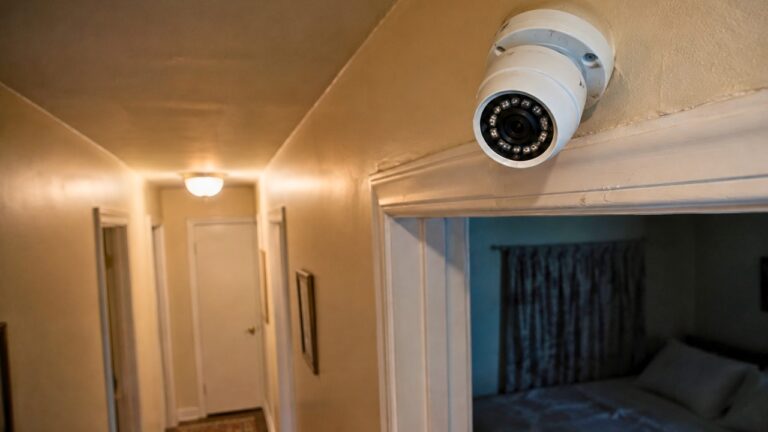
The guest shared the situation in a post on r/legaladvice, explaining that they were staying at an Airbnb in Georgia when cameras were discovered in the property. The post did not read like a complaint about a visible doorbell camera or a disclosed outdoor security system. The concern was about hidden cameras inside the space where guests were staying.
That changed everything.
Airbnb rentals already require a strange amount of trust. Guests are sleeping in a property owned by someone they do not know, often in a town they are visiting, relying on the listing, reviews, locks, and platform rules to make the stay feel safe. Most people expect cameras outside a front door or driveway if they are disclosed. But hidden cameras inside a rental cross into a completely different level of concern.
According to the guest, police became involved after the discovery. That made the situation feel less like a customer-service dispute and more like something with possible legal consequences. Once law enforcement is called, the questions get bigger: who installed the cameras, what did they record, where was the footage stored, who had access to it, and how many other guests may have stayed there before anyone noticed?
The guest wanted to know what steps to take next. They were dealing with the immediate shock of the discovery, but also the practical problem of preserving evidence and protecting themselves. If the cameras were removed, moved, unplugged, or handled the wrong way, it could affect whatever investigation followed.
That is the part many people do not think about until they are in the middle of it. A guest who finds a hidden camera may want to rip it out immediately, leave the property, and confront the host. Those reactions are understandable. But if police are involved, the camera itself may need to be documented carefully.
The guest also had to think about the platform. Airbnb may suspend a listing, refund a guest, preserve messages, or investigate a host, but the company is not the same as law enforcement. If a crime may have occurred, the guest would need more than a customer-support ticket.
The situation raised another question too: how much should the guest communicate with the host? If the host installed the cameras, warning them too early could give them a chance to delete recordings, wipe devices, remove additional equipment, or change their story. If the host did not install them, they might still need to know, but police would likely want to control the next steps.
That uncertainty made the whole situation feel tense. The guest was not only upset about being watched. They were trying to make sure the issue was handled in a way that did not accidentally destroy the proof.
Commenters urged the guest to take the discovery seriously and avoid turning it into only a platform complaint.
Several people said police involvement was the right move, especially if the cameras were hidden inside the rental. They advised the guest to let officers document the devices, location, and condition instead of removing or tampering with them. If the guest had already taken photos or videos, commenters said those should be saved and backed up.
Others told the guest to keep every message connected to the stay. That included the Airbnb listing, house rules, photos, host messages, check-in instructions, refund requests, support conversations, and any communication after the cameras were found. If the host had disclosed cameras in one area but not the hidden ones, that difference could matter later.
Commenters also said the guest should contact Airbnb through the app or official support channels so there would be a written record. They recommended avoiding private phone calls or texts with the host unless absolutely necessary because in-app communication is easier to preserve.
Some commenters warned the guest not to post identifying details publicly while the situation was being investigated. Even if the guest was angry, naming people, sharing addresses, or encouraging internet sleuthing could create problems and distract from the legal process. The safer route was to give the evidence to police and the platform.
There was also practical advice about leaving the property. Commenters said the guest should not stay somewhere they no longer felt safe, but they should document the condition of the rental and follow whatever instructions police gave before leaving. If there were concerns about personal devices, luggage, or belongings, they suggested checking carefully and taking photos.
The guest’s post did not end with a full legal outcome. There was no final court case, confession, or public explanation of who installed the devices. It ended at the point where the guest had found something alarming and needed to know how to handle it without making the situation worse.
That is what made the story so unsettling. A hidden camera inside a rental is not a normal travel inconvenience. It turns a temporary stay into a privacy and safety concern, and it leaves the guest wondering who may have been watching and how long it had been going on.
Commenters did not treat it like a refund issue. They treated it like an evidence issue.
Their advice was to preserve everything, communicate through official channels, let police handle the devices, and avoid giving the host a chance to control the story before investigators had what they needed.
Because once a hidden camera is found inside a rental, the question is no longer only whether the guest had a bad stay. It is whether someone used that stay to record people without their knowledge — and whether the evidence will still be there when authorities start asking questions.

Abbie Clark is the founder and editor of Now Rundown, covering the stories that hit households first—health, politics, insurance, home costs, scams, and the fine print people often learn too late.