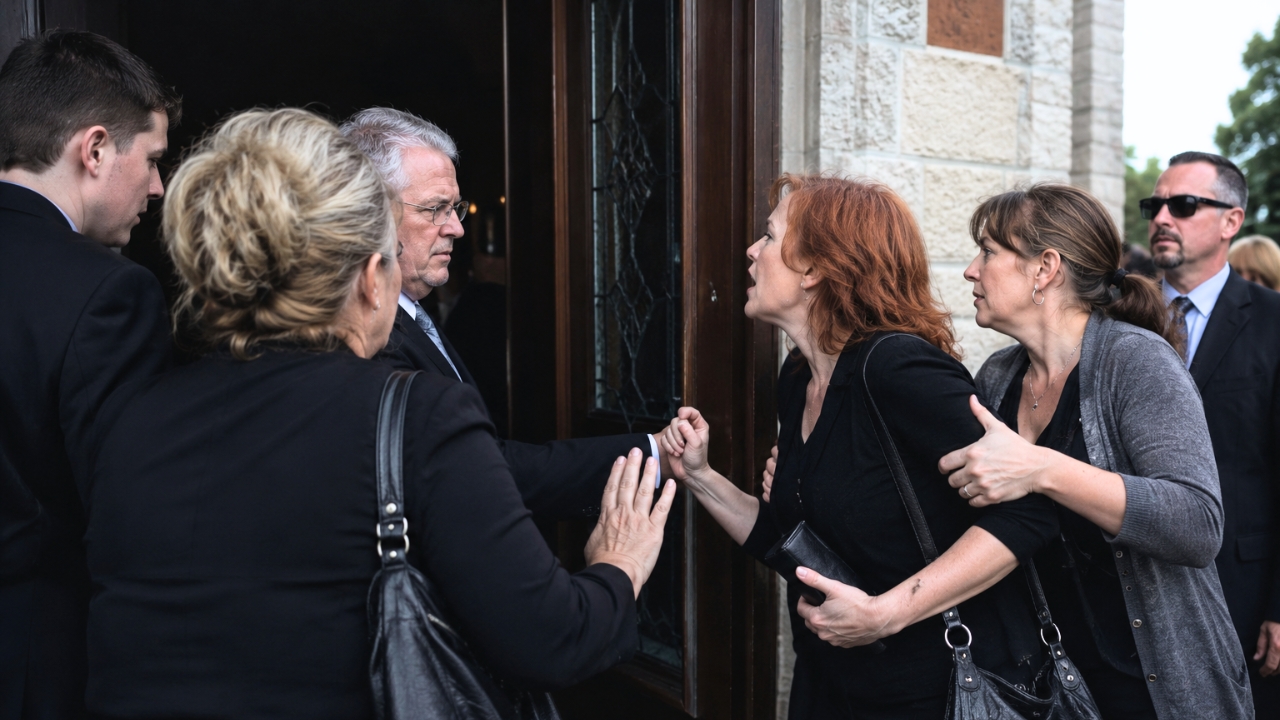
Grandchild says strangers from their grandfather’s first family tried to enter the funeral — then the family blocked them at the door
Photo credit: Now Rundown
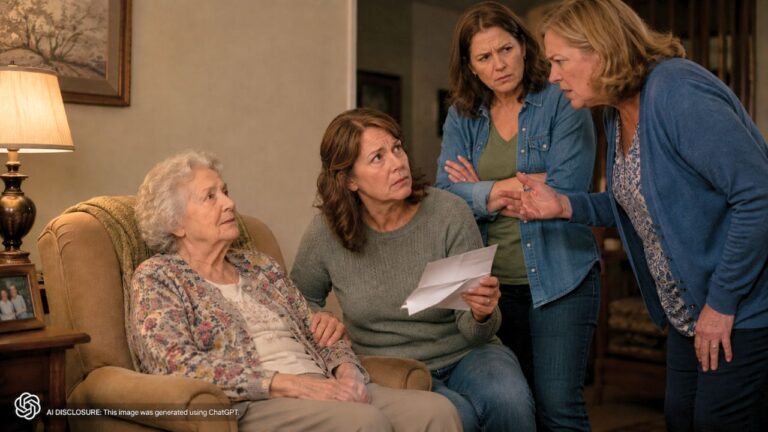
A grandchild says their grandfather’s funeral turned into a family confrontation when people from his first family showed up and expected to be allowed inside. But according to the poster, those relatives had not been part of his life for years, and their arrival felt less like grief and more like an attempt to force their way into a moment they had no right to claim.
In a Reddit post, the poster explained that their grandfather had been married before he married their grandmother. During that first marriage, he had children. But according to the family’s side of the story, that relationship ended badly, and the grandfather eventually built a new life with the poster’s grandmother.
The poster said their grandmother was the one who stayed with him, cared for him, and lived through the hard years with him. She was the wife who remained present. She was also the woman who had to deal with his declining health and the final stretch of his life. So when he died, the family planned the funeral around the people who had actually been part of his daily world.
Then the first family appeared.
According to the post, these relatives had been absent long enough that the poster did not see them as part of the family circle anymore. They were not people who had visited regularly, checked in, or helped while the grandfather was alive. But on the day of the funeral, they arrived and wanted to attend.
That put the poster and their family in an awful position. A funeral is already tense, emotional, and hard to manage. Nobody wants to turn people away at the door. But the poster said allowing them in would have hurt the grandmother and disrupted a service meant to honor the life the grandfather had actually lived with them.
So they blocked them from entering.
The confrontation was exactly as awkward as it sounds. The first family was upset and believed they had a right to be there. From their view, the grandfather was still their father or relative, no matter how distant things had become. Death has a way of making old family ties feel suddenly important again, even when those ties were weak or broken in life.
The poster’s side saw it differently. They felt these relatives had made their choice while he was alive. They had not been involved when it counted, and showing up at the funeral did not erase years of distance. The poster also seemed especially protective of their grandmother, who had already lost her husband and did not need another painful scene layered on top of that.
That is what made the situation so messy. The funeral was not only about the grandfather. It was also about the people left behind and what they could emotionally handle. Letting the first family in might have looked generous from the outside, but inside the family, it felt like inviting pain and conflict into an already raw day.
Afterward, the poster questioned whether they had gone too far. Turning people away from a funeral is not a small thing. Even if those people had been absent, they were still connected to the grandfather by blood and history. But the poster also believed the people who had actually been there for him deserved peace more than distant relatives deserved a dramatic return.
Commenters debated grief, absence, and timing
Commenters were more split than on some family-conflict posts because funerals bring out complicated reactions. Some people felt the first family should have been allowed to attend quietly, especially if they were his children. They argued that death can leave people with regret, and a funeral may be the only chance they get to say goodbye.
Others sided with the poster and said showing up after years of absence does not automatically entitle someone to disrupt the family that had been present. They felt the first family could have grieved privately, visited a grave later, or found another way to say goodbye without forcing themselves into the service.
A lot of commenters focused on the grandmother. If the first family’s presence would have caused her serious pain or created a scene, many believed protecting her was a reasonable priority. They said the people who cared for someone during life should not be pushed aside by people who appear only after death.
There were also practical comments about how families should handle this before a funeral if they know old conflicts might surface. Several people said the problem was not simply that the first family came, but that nobody seemed to have a clear plan until the confrontation was already happening at the door.
The outcome
The post ended with the grandchild still unsure whether the family had made the right call. They had stopped the first family from entering, and that decision could not really be undone.
To the first family, it may have felt like being denied a final goodbye. To the poster’s family, it felt like protecting the grandmother and preserving the funeral for the people who had stayed present in the grandfather’s life.
The situation left everyone with a hard question: does blood give someone the right to attend a funeral, even if they were absent for years? Or does that right belong more to the people who showed up while the person was still alive?

Abbie Clark is the founder and editor of Now Rundown, covering the stories that hit households first—health, politics, insurance, home costs, scams, and the fine print people often learn too late.