Woman Says a Man in Her Apartment Building Came Outside When She Pulled Up Late — Then Lingered Near the Mailboxes
Photo credit: Now Rundown
A woman says she started feeling watched in her own apartment complex after noticing the same man repeatedly appearing near the entrance, the mailboxes, and the parking area whenever she came home late.
She explained in a Reddit post that she had been getting uneasy about a man who lived in or around her apartment building. At first, it was the kind of thing that can be easy to dismiss. Apartment buildings are shared spaces. People come and go at weird hours. Someone standing near the mailboxes or outside the entrance is not automatically doing anything wrong.
But the pattern started to feel too specific.
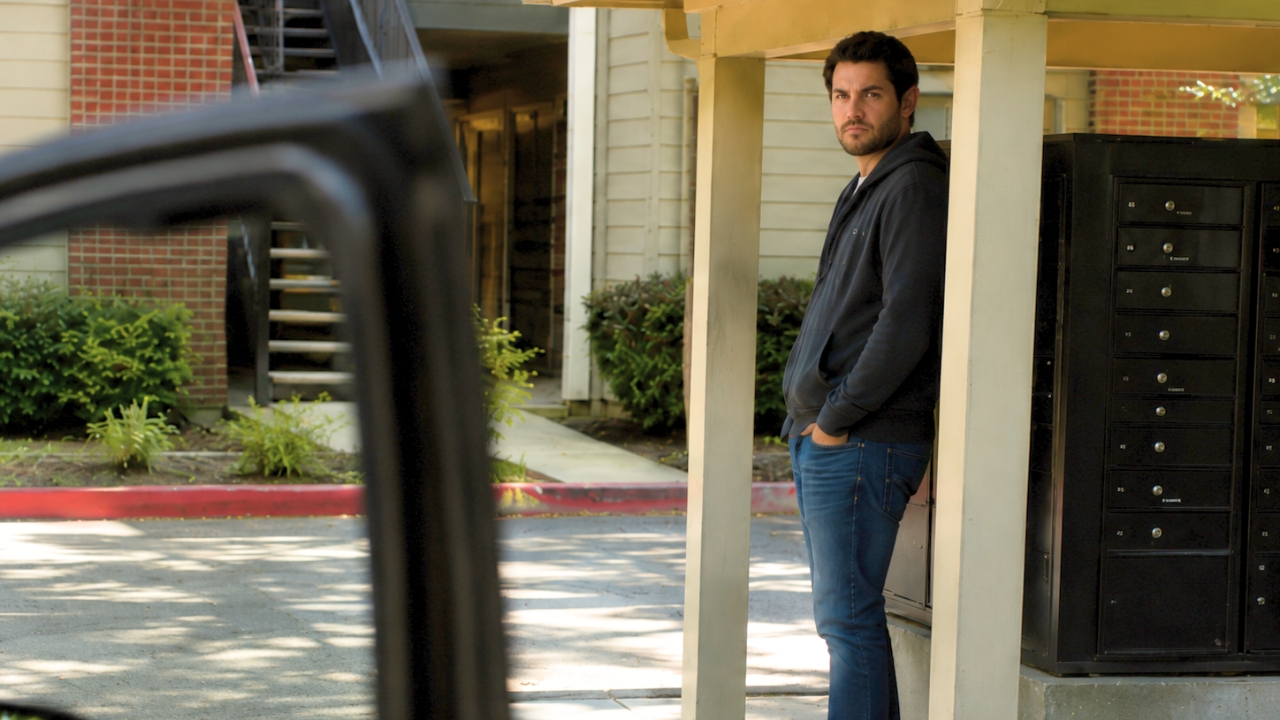
The man seemed to appear when she pulled into the complex, especially at night. Instead of simply walking somewhere with purpose, he would linger in the area near the mailboxes or outside the building. That meant she had to get out of her car, gather her things, and walk past or near him while already feeling uncomfortable.
That kind of setup can make a person feel trapped. You are not in a public store where you can easily turn down another aisle or leave through another exit. You are at home. Your car is there. Your apartment is there. The stranger does not have to know much to know where you live, when you arrive, and whether you are alone.
The woman seemed to struggle with whether she was being paranoid. She did not have a dramatic confrontation to point to. He had not necessarily threatened her. He had not grabbed her or followed her all the way to her door, at least based on what she shared. But she could not shake the feeling that his timing was strange.
And that is what made the situation difficult.
When someone repeatedly appears in the same space around the same moments, the person noticing it starts doing mental math. Maybe he just checks the mail late. Maybe he smokes outside. Maybe he has a strange schedule. Maybe he hears cars pull in and looks out by habit.
Or maybe he is watching.
The post had the uncomfortable feel of someone trying to decide when a gut feeling becomes enough to act on. She did not want to accuse someone unfairly, but she also did not want to keep walking alone past a man who seemed to be waiting around whenever she came home.
The late-night timing made it worse. A parking lot can feel completely different after dark. Every sound is louder. Every person standing still feels more noticeable. If someone happens to be near the mailboxes once, it may not mean much. If it keeps happening when you pull in, the nervous system starts treating it like a warning.
The woman’s concern seemed to be less about one single incident and more about losing the sense of safety around her own building. Once you start wondering whether someone is watching your routine, ordinary parts of the day become stressful. Parking. Checking the mail. Walking inside. Unlocking the door.
None of that should feel like a security drill.
The post did not include a neat resolution showing whether she reported him to management or found out he had a harmless reason to be there. It stayed in that uneasy middle zone where something feels wrong, but the person experiencing it is still asking if she has enough reason to trust herself.
In situations like this, the safest answer is usually to document without escalating alone. Write down dates and times. Notice whether he appears only when she arrives or if he is outside all the time. Tell a friend, neighbor, roommate, or building manager. Walk in with someone when possible. Use the phone, lights, cameras, and anything else that creates a record.
The key point is that she did not need to prove the man had bad intentions before taking her own safety seriously. She was allowed to adjust her routine, ask for support, and make sure someone else knew what was happening.
At home, feeling watched is not something most people can simply shrug off.
Commenters mostly told her she was not overreacting. Many said apartment complexes can make this kind of situation especially stressful because the person already knows where you live and can easily notice your routine.
Several people suggested she document every incident, including dates, times, and where he was standing. They said a pattern matters, especially if she ever needs to involve apartment management or police.
Others encouraged her not to confront him alone. If he was harmless, a confrontation could become awkward. If he was not harmless, it could make him angry or more focused on her.
A lot of commenters recommended practical safety steps: parking in well-lit areas, calling someone while walking inside, asking a neighbor or friend to meet her when she gets home late, and checking whether the building has cameras near the mailboxes or entrance.
Some commenters said there could be a normal explanation, like smoking, checking mail, waiting for rides, or just being outside at odd hours. But even those comments generally agreed that she did not have to ignore a pattern that made her feel unsafe.
The strongest advice was to trust the feeling enough to protect herself, even if she was not ready to label it stalking.

Abbie Clark is the founder and editor of Now Rundown, covering the stories that hit households first—health, politics, insurance, home costs, scams, and the fine print people often learn too late.