Employee Refuses to Stop Washing Her Hands — Then the Coworker Complaint Turns Into a Meeting
Photo credit: New Africa/Shutterstock.com
A woman said her office had been “scent-free” for a while, mostly because one coworker could not tolerate smells.
No perfume. No cologne. Apparently not even deodorant without someone complaining. Every so often, the coworker would report a smell to the boss, and everyone would get another generic reminder about the office being a scent-free zone.
The woman thought it was annoying, but manageable.
Then the coworker started sniffing people.
According to the Reddit post, the coworker had been extra worked up for weeks, insisting she smelled perfume somewhere in the office. Nobody admitted to wearing any. The emails kept coming. The smell complaints kept happening. And eventually, the coworker decided to investigate on her own.
Two or three times a week, she started walking up and down the aisles, sticking her head near people’s desks, taking a big sniff, and moving on.
That is already weird.
Then one Friday, the woman came back from the bathroom and sat down at her desk. The coworker reached her area, did the usual sniff test, and immediately lost it. She claimed the woman was the source of the “perfume” she had been smelling.
After a scene in front of everyone, they figured out what the coworker smelled.
Hand soap.
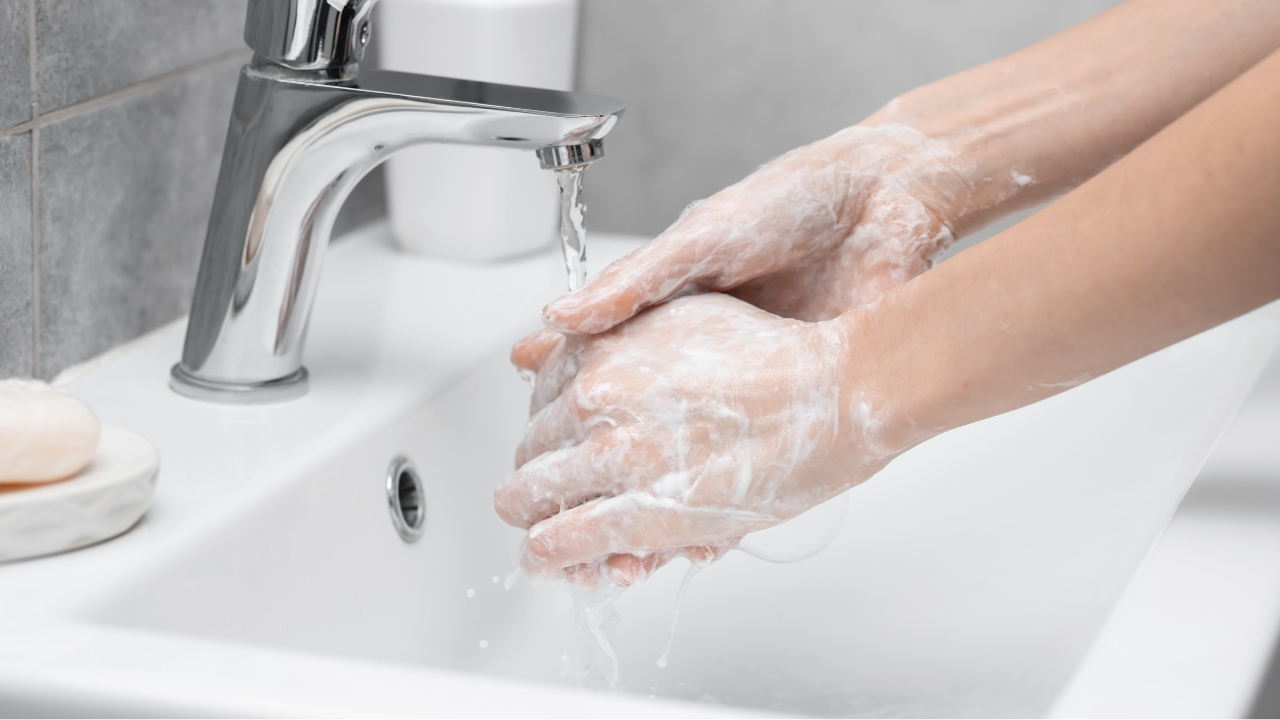
The woman had washed her hands after using the bathroom, and apparently the scent of the bathroom soap was what the coworker had been chasing for weeks. The woman had no patience left by then. She told her, professionally but firmly, that hand-washing with soap was nonnegotiable and she would not stop doing it.
That should not have been controversial.
But the woman knew her boss had been out that Friday, which meant Monday would probably bring a meeting. She dreaded going back to work because this coworker had a pattern: complain, escalate, get management involved, and make everyone else adjust around her.
Sure enough, the woman was called into a meeting with the boss and the coworker.
The company was small and did not have a dedicated HR department, so the boss handled the issue directly. During the meeting, they figured out the timeline. A building maintenance worker had put new hand soap in the bathroom a couple of weeks earlier. That lined up perfectly with when the coworker started claiming she smelled perfume in the office.
Every time someone used the bathroom and washed their hands, a little of the soap scent came back into the office with them. By the time the coworker noticed and started sniffing around, the scent had usually faded. On Friday, she caught the woman right after she returned, so the smell was stronger.
The boss chose the easiest path and bought new unscented soap.
He asked everyone to use the new soap until the building bathrooms could be fully switched over. That was a reasonable practical fix, even if the whole situation had gotten there in the most ridiculous way possible.
But the coworker did not just accept the fix and move on.
During the meeting, she kept pointing at the woman and saying things like the woman did not respect her or take her issues seriously. The woman admitted, privately, that she did not take the coworker’s issues seriously because the complaints had become so inconsistent and extreme. The coworker could supposedly smell things nobody else could, but had also walked into bathrooms after someone sprayed perfume and noticed nothing.
The woman still kept things professional.
She asked the coworker to explain what exactly she had done that was disrespectful. The coworker could not give a clear answer. Then the woman asked when she could expect an apology for being embarrassed in front of the office and accused of not respecting her.
The coworker did not apologize.
She walked out.
By the time the woman got back to her desk, the coworker’s purse was gone, and it looked like she had left for the day.
Then one detail clicked into place for the woman. If the coworker had been so bothered by the new bathroom soap for weeks, why had she not smelled it on her own hands first?
The uncomfortable implication was obvious.
Maybe she was not washing her hands in the bathroom.
That thought made the woman especially glad she had never eaten anything the coworker brought to a potluck.
The whole office situation was bigger than one soap smell. The coworker had reportedly demanded the year before that everyone stop using scented detergent at home. Nobody the woman knew actually stopped, but the coworker seemed to believe they had and suddenly no longer smelled it. Meanwhile, the coworker’s sensitivity did not seem consistent enough for everyone to trust the complaints.
That did not mean scent sensitivities are fake. Plenty of people get migraines, asthma symptoms, nausea, or other real reactions from fragrance. But there is a difference between asking coworkers not to drown themselves in perfume and walking around the office sniffing people like evidence.
The woman was not refusing a reasonable accommodation.
She was refusing to stop washing her hands.
And if an office has to choose between scented bathroom soap and basic hygiene, basic hygiene wins every time.
What Commenters Said
Commenters overwhelmingly sided with the woman. Many said the coworker crossed a line the moment she started walking around sniffing people at their desks. Several called that invasive, creepy, and wildly unprofessional.
A lot of people with real scent sensitivities chimed in too. Many said strong fragrances can absolutely trigger migraines, asthma, or other reactions, but that does not mean someone gets to police deodorant, laundry detergent, shampoo, or hand-washing across an entire office.
Others thought the boss handled the practical issue reasonably by switching to unscented soap. But commenters were less impressed that the coworker faced no real consequence for making a public scene or conducting her own smell inspections.
The strongest reaction came from the hand-washing part. Commenters said nobody should be pressured to skip soap after using the bathroom. If the coworker was that sensitive, she needed to work with management on reasonable accommodations — not demand that basic hygiene become optional.

Abbie Clark is the founder and editor of Now Rundown, covering the stories that hit households first—health, politics, insurance, home costs, scams, and the fine print people often learn too late.