
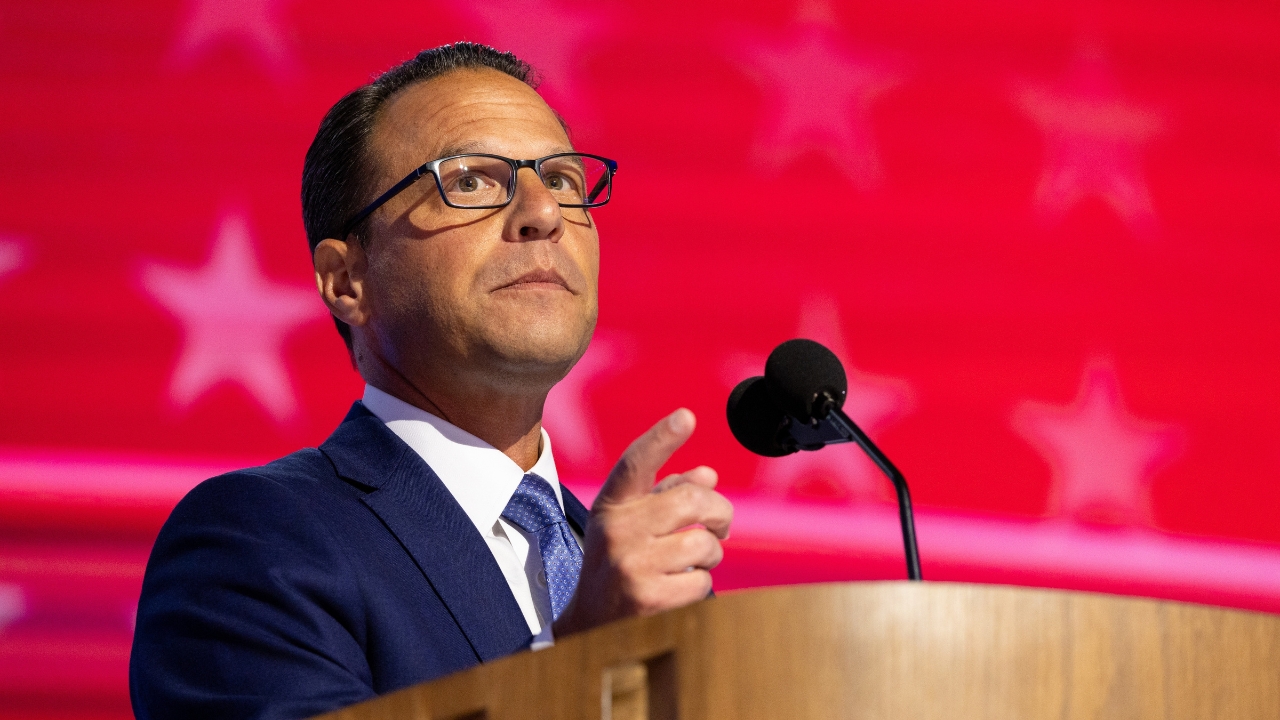
“Abortion will remain safe, legal, and accessible,” Shapiro says as anti-abortion group fires back
Photo credit: Maxim Elramsisy/Shutterstock.com
HARRISBURG, Pa. — Pennsylvania Gov. Josh Shapiro said abortion access will remain “safe, legal, and accessible” in the commonwealth, drawing a sharp rebuttal from a national anti-abortion group that cited clinic oversight and the long-running political fallout from the Kermit Gosnell case.
“As long as I’m your Governor, abortion will remain safe, legal, and accessible here in Pennsylvania,” Shapiro wrote in a post on X on Feb. 9.
As long as I’m your Governor, abortion will remain safe, legal, and accessible here in Pennsylvania.
— Governor Josh Shapiro (@GovernorShapiro) February 9, 2026
Pennsylvania’s Department of Health states abortion is legal in Pennsylvania through the 23rd week of pregnancy, with additional requirements and exceptions outlined in state guidance. Public and nonprofit legal guides and policy explainers commonly describe the state’s limit as roughly 24 weeks, with later procedures allowed under certain circumstances, including medical emergencies.
SBA Pro-Life America, a national anti-abortion advocacy group, responded on social media by arguing that Shapiro and Democrats have opposed “health and safety” requirements and by pointing to inspection-related criticisms of abortion facilities. The exchange reflects a familiar Pennsylvania political fault line: oversight of abortion providers became a high-profile issue after the Gosnell investigation and prosecution in Philadelphia more than a decade ago.
You voted against bipartisan health & safety requirements to protect women and babies from so-called "doctors" like Kermit Gosnell.
— SBA Pro-Life America (@sbaprolife) February 9, 2026
And with you in charge, PA abortion facilities continue to fail health inspections.https://t.co/MOer2Us5nb
Gosnell, a Philadelphia abortion provider, was convicted in 2013 of first-degree murder in the deaths of three infants and involuntary manslaughter in the death of a patient, according to contemporaneous reporting and public records related to the case. A Pennsylvania grand jury report connected to the investigation described severe conditions at the clinic and highlighted gaps in enforcement and oversight.
In the years after that case, Pennsylvania lawmakers enacted changes affecting how abortion facilities are regulated and inspected, including requirements for inspections and licensing frameworks tied to the state’s Health Care Facilities Act and related regulations.
Supporters of abortion rights, including Shapiro allies, typically argue that access in Pennsylvania should remain protected and that medical care standards can be enforced without policies they view as designed to restrict access. Opponents argue that stronger oversight is necessary and often highlight inspection findings to support their claims.
One frequently cited example in that debate comes from the Pennsylvania Family Institute, which has claimed that Pennsylvania abortion facilities have accumulated hundreds of safety-related violations since 2012, including what it described as a “600th safety infraction” milestone. The institute’s figure is used by abortion opponents to argue that enforcement and accountability remain inadequate; abortion-rights supporters often dispute how such totals are compiled and what they imply about patient outcomes.
Shapiro’s post did not reference specific legislation, court action, or new policy changes. But it landed in a political environment where abortion remains a defining issue for state-level campaigns and legislative fights — and where both sides frequently use social media to frame the stakes for voters.


