Shocking Epstein photos appear to show Andrew crouched over woman on floor
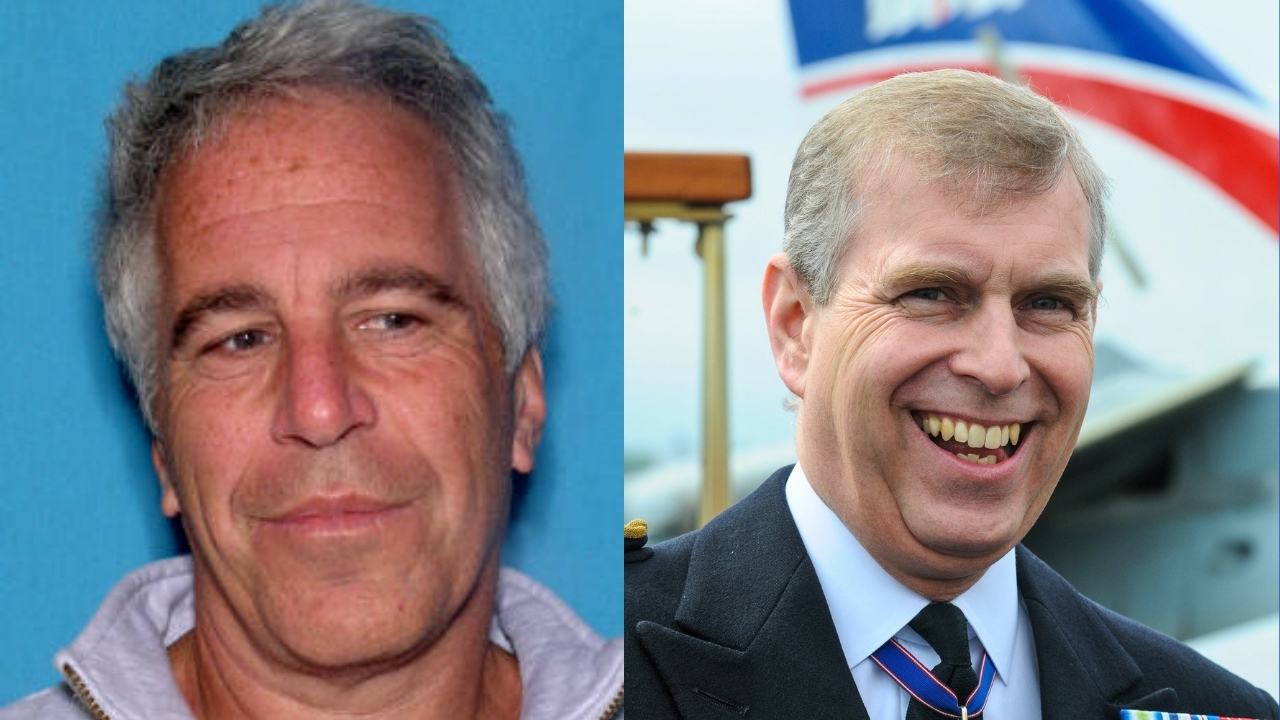
Photo credit: starlings_images/Shutterstock, By Florida Department of Corrections – The photo was published on the Florida Department of Corrections website in 2009., Public Domain, Wikimedia Commons
Newly released images from United States authorities have injected fresh shock into the already toxic legacy of Jeffrey Epstein, appearing to show Andrew Mountbatten-Windsor on all fours over a woman lying on the floor. The undated photographs, taken from a large cache of Epstein-related material, have reignited questions about the former prince’s judgment, his years-long friendship with Epstein, and the limits of the explanations he has offered so far. As the pictures circulate, they are colliding with a public already primed by earlier allegations and settlements, turning a long-running scandal into an even more uncomfortable reckoning.
The images do not come with a narrative or clear context, yet their visual power is undeniable: a once-senior royal, stripped of titles and duties, apparently engaged in an intimate or at least deeply inappropriate pose in a private setting linked to a convicted sex offender. For Andrew Mountbatten-Windsor, who has always denied any wrongdoing, the photos are less about proving a specific crime and more about cementing a damaging impression that he cannot escape Epstein’s shadow.
The disturbing new images and what they appear to show
The latest cache of Epstein-related material includes photographs that appear to show former Prince Andrew crouched on all fours over a woman who is lying on the floor, both of them clothed but in a position that many observers have described as unsettling. In one of the undated images, the man identified as Andrew Mountbatten-Windsor is on his hands and knees, leaning over the unidentified female, whose face is obscured, in what looks like a private interior space rather than a public event. The images are part of a broader release of Epstein files that also contain emails, travel records and other material linked to the late financier and his circle, with officials presenting them as part of a long-running effort to document Epstein’s network.
Reporting on the cache notes that the photos show former Prince Andrew kneeling over the woman, while separate coverage describes how the latest Epstein file photos appear to show the former prince on the floor with a female acquaintance, reinforcing that multiple outlets have independently reviewed the same set of images. One account of the release stresses that the files were drawn from material held by the United States Department of Justice, which has been managing a massive trove of evidence tied to Epstein’s activities, and that the images of Andrew Mountbatten-Windsor sit alongside other graphic content from the investigation. Another report, summarizing the cache, highlights that the photographs are part of a broader narrative about Andrew’s contact with Epstein and the women around him, rather than an isolated snapshot divorced from that context.
How the DOJ’s latest Epstein files brought Andrew back into focus
The photographs emerged from what officials have described as the last major tranche of documents related to the Epstein investigation, a release that has again placed Andrew Mountbatten-Windsor at the center of public scrutiny. The United States Department of Justice has been gradually unsealing and disclosing material gathered during its pursuit of Epstein and his associates, and this latest batch includes not only images but also emails and other records that map out Epstein’s social and financial web. Within that trove, Andrew’s presence is unmistakable, from photographs to correspondence that show he remained in contact with Epstein even after the financier’s conviction for sex offenses.
Coverage of the release notes that the Department of Justice files include photographs appearing to show Andrew Mountbatten-Windsor on all fours over a woman, underscoring that the images are not leaks from private collections but part of official evidence. Another detailed account explains that Andrew Mountbatten-Windsor’s photos were among the material released by the DOJ as it made the last tranche of documents related to the late sex offender Jeffrey Epstein, situating the images within a formal investigative framework rather than gossip. A separate report, flagged with an EDS NOTE: GRAPHIC CONTENT warning, describes how images from an undated and redacted document were photographed from a screen, illustrating the sometimes fragmentary way this evidence has entered the public domain while still carrying the weight of official provenance.
Inside the room: what can and cannot be seen in the photos
Although the images have been widely described as “creepy” and “embarrassing,” the visual record is limited and leaves crucial questions unanswered. The woman on the floor is unidentified, her face obscured or turned away, and there is no accompanying metadata that clearly states where the photos were taken or who else was present. The setting appears to be indoors, with furnishings that suggest a private residence or luxury property, but without obvious markers that would definitively place it at one of Epstein’s known homes or at a royal residence. Both Andrew Mountbatten-Windsor and the woman are clothed, and there is no explicit sexual act visible in the frames that have been described.
One detailed write-up notes that one of the undated pictures shows Andrew and the unidentified female, both clothed, in a position that appears to show the former prince on all fours over her. Another account, summarizing the same material, describes Andrew Mountbatten-Windsor as hovering over a woman in a way that has fueled public discomfort, while still emphasizing that officials have released no details on the circumstances surrounding the pictures and that there is no indication of criminal wrongdoing from the images alone. A separate report, which includes a NEED TO KNOW briefing, stresses that Andrew Mountbatten-Windsor is included in the latest batch of files released in relation to his years-long ties to Epstein, but again notes that the photos are undated and that the woman remains unidentified, limiting firm conclusions about what exactly was happening in the room.
Andrew Mountbatten-Windsor’s denials and the limits of his defense
For years, Andrew Mountbatten-Windsor has insisted that he did nothing wrong in his dealings with Jeffrey Epstein, framing their relationship as a misjudgment rather than complicity in abuse. He has repeatedly denied allegations that he engaged in sexual activity with trafficked women and has portrayed his visits to Epstein’s properties as social or business-related, not part of any criminal enterprise. Those denials helped shape his now-infamous television interview, in which he attempted to rebut specific claims while acknowledging that his friendship with Epstein had become a liability for the monarchy.
Reporting on the latest material notes that Andrew Mountbatten-Windsor has always denied any wrongdoing, even as the latest Epstein file photos appear to show the former prince on the floor with a female acquaintance. Another account underscores that Andrew Mountbatten-Windsor, who was stripped of his royal patronages and military titles, has continued to reject any suggestion that he participated in Epstein’s crimes, even as new images and documents emerge. A separate report, focused on his inability to escape Epstein’s shadow, notes that former Prince Andrew cannot shake public suspicion as new documents reveal details about his friendship with Epstein, reinforcing how each fresh disclosure narrows the space in which his denials can be heard without skepticism.
From Duke of York to “disgraced” ex-prince
The fallout from Andrew Mountbatten-Windsor’s association with Epstein has already transformed his public identity, turning a once-senior royal into a figure routinely described as “disgraced.” He was stripped of his role as Duke of York in practical terms, losing military titles and royal patronages, and has been largely absent from official events. The palace has distanced itself, signaling that any path back to frontline duties is effectively closed, at least while the Epstein scandal continues to generate headlines and legal aftershocks.
One report refers to the disgraced ex-Duke of York Prince Andrew being captured hovering over a woman in the newly released images, underlining how his former title now appears mainly in the context of scandal. Another account describes how Andrew Mountbatten-Windsor, who was stripped of his royal status, is again under fire over his friendship with Jeff Epstein, using the phrase “Disgraced Andrew Mountbatten-Windsor” to signal how far his reputation has fallen. A separate piece, focused on the broader narrative, notes that former Prince Andrew cannot escape Epstein’s shadow as new documents reveal details about their friendship, reinforcing that his royal past is now inseparable from the controversy that surrounds him.
Emails, private meetings and a friendship that would not end
The photographs are only one part of the story emerging from the latest Epstein files, which also include emails and other documents that shed light on how long Andrew Mountbatten-Windsor stayed in Epstein’s orbit. Correspondence shows that Andrew and Epstein remained in contact even after Epstein’s conviction, with messages that suggest a level of familiarity and ongoing interaction that goes beyond a casual acquaintance. These records complicate Andrew’s efforts to portray the relationship as a brief misstep, instead painting a picture of a friendship that persisted despite mounting public evidence of Epstein’s crimes.
One account of the release notes that the trove included embarrassing photographs of Andrew and Epstein, as well as emails between them from 2010, two years after the financier’s first conviction, indicating that the relationship continued even when Epstein was facing sex trafficking charges. Another report, drawing on the same cache, describes how former Prince Andrew cannot escape Epstein’s shadow as new documents reveal details about their friendship, including references to private meetings and social gatherings. A separate summary of the files notes that Andrew Mountbatten-Windsor’s creepy photos were part of the documents released by the DOJ, which also contained references to oral sex and abuse allegations involving Epstein’s network, underscoring the grim context in which his name repeatedly appears.
Public reaction and the power of a single image
The reaction to the new photographs has been swift and visceral, with many viewers focusing less on legal implications and more on what the images say about Andrew Mountbatten-Windsor’s judgment and character. In an era where visual evidence often shapes public opinion more powerfully than written testimony, the sight of a former prince on all fours over a woman on the floor has become a shorthand for perceived entitlement and moral blindness. The fact that the woman is unidentified and the setting unclear has not blunted the impact; if anything, the ambiguity has allowed the pictures to be read as emblematic of a broader culture of secrecy around Epstein and his circle.
One regional outlet captured the mood by noting that Manchester coverage described newly released photos that appear to show ex-Prince Andrew crouched on all fours over a woman, language that mirrors the shock many felt on first seeing the images. Another report, framed as a NEED TO KNOW briefing, emphasizes that Andrew Mountbatten-Windsor is seen on all fours over an unidentified woman in the new files, highlighting how the visual has become central to public understanding of his role in the Epstein saga. A separate analysis notes that former Prince Andrew cannot escape Epstein’s shadow as new documents and images circulate, with the phrase “32 m” used to mark how quickly the story has been updated and shared, a reminder of the rapid news cycle that now shapes reputational damage.
Legal context: no charges, but relentless scrutiny
Despite the shock value of the photographs, officials have been clear that the images themselves do not amount to evidence of a specific crime. There have been no new charges announced against Andrew Mountbatten-Windsor in connection with the latest release, and authorities have stressed that the files are part of a broader transparency effort rather than a signal of imminent prosecution. The woman in the photos has not been identified publicly, and there is no accompanying documentation that alleges a particular offense tied to the scene depicted.