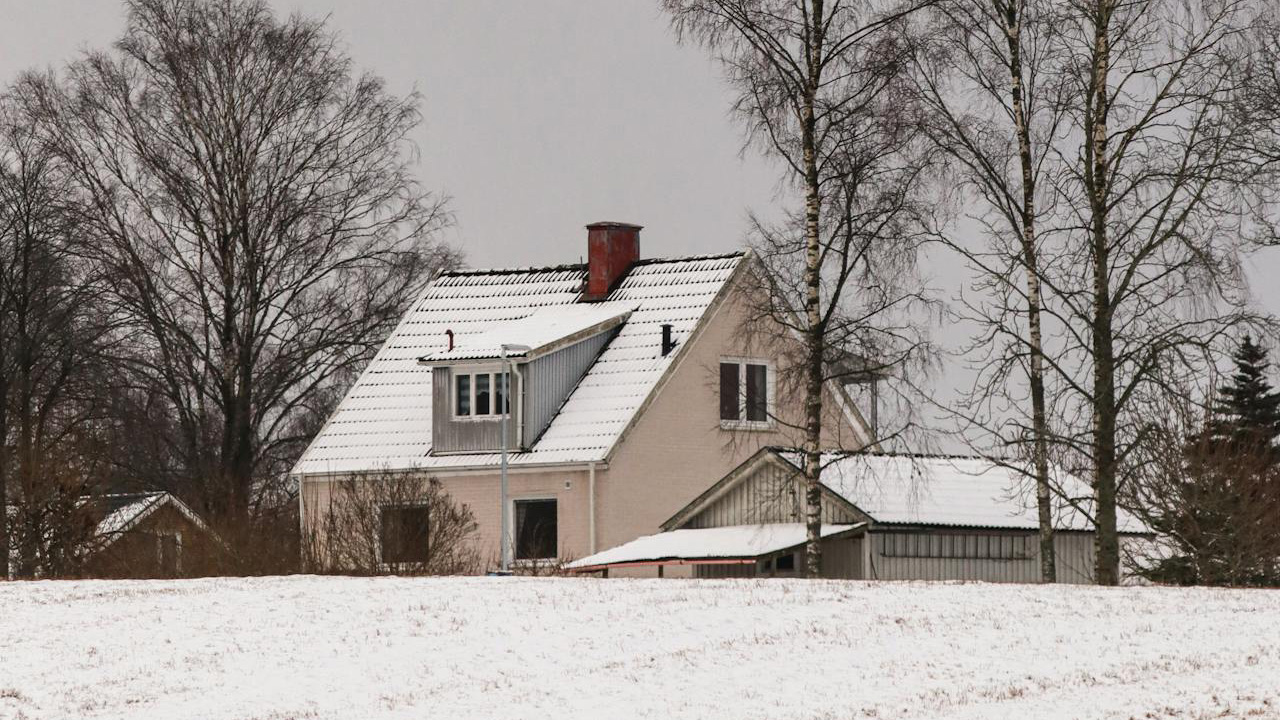
The winter home fix that pays off fastest when temps drop hard
Photo credit: Damir K ./Pexels.com
When temperatures plunge, the fastest paying home upgrade is not a flashy new furnace or smart thermostat. It is sealing the invisible gaps that let your expensive heat leak outside and icy air creep in. By tightening up those cracks around doors, windows, and other openings, you cut energy waste immediately, so your next utility bill starts reflecting the savings instead of your long term wish list.
Air sealing works quickly because it tackles the simplest physics problem in your house: warm air escaping and cold air replacing it. Compared with big ticket remodels, it is cheap, fast to install, and compatible with every heating system, from gas boilers to electric heat pumps. Once you plug the leaks, every other winter improvement you make, from insulation to thermostat tweaks, performs better and pays you back faster.
The fix that beats a new furnace on payback time
The core reason sealing air leaks pays off so quickly is that it stops you from heating the outdoors. Energy specialists routinely rank basic envelope work as a Quick Win with High Impact, because up to 30 percent of a typical home’s heating and cooling can be lost through leaks and poor sealing. If you cut even a fraction of that waste, you are saving money every single hour your system runs, without touching the equipment itself. That is why a tube of caulk and a roll of weatherstripping can outperform a multi thousand dollar mechanical upgrade on payback speed.
Professionals who focus on Air Sealing describe it as The Unsung Hero of Energy Efficiency because it minimizes heat loss through cracks and gaps before you spend on bigger retrofits. Their argument is simple: if your building shell is leaky, any new system you install will work harder than it should, and your investment will literally float away. By contrast, once you tighten the shell, even an older boiler or furnace can feel surprisingly capable during a cold snap, because it is no longer fighting a constant draft.
Why drafts cost you so much when it gets brutally cold
Drafts are not just an annoyance, they are a pressure driven conveyor belt that pulls warm air out and drags cold air in whenever the wind picks up or the temperature drops. When Arctic air settles in, the temperature difference between inside and outside grows, and that stack effect accelerates, so every unsealed gap becomes a high speed escape route for heat. Federal guidance on Tips that Help You Save on Energy Bills in Winter for Ameri households stresses that reducing drafts is one of the most direct ways to cut heating demand, because your system no longer has to replace that lost air volume over and over.
That dynamic is especially punishing in older homes, where settling, past renovations, and worn materials leave a patchwork of tiny openings. Reporting on older housing stock notes that with the average U.S. home now more than 40 years old, many structures leak at a rate that would never pass a modern energy code. When Dec cold hits, that leakage shows up as icy floors, whistling windows, and a furnace that never seems to shut off, all of which translate into higher bills and more wear on your equipment.
Where the money is really leaking out of your house
To cash in on fast payback, you need to find the worst offenders, and they are rarely the big picture windows you already suspect. Energy auditors consistently point to the attic hatch, recessed lights, plumbing and wiring penetrations, and the gaps around door frames as the most cost effective places to start. A fall checklist that urges you to Seal any gaps to keep cold air out warns that Nobody wants to spend winter in a drafty house and that it is Not just uncomfortable, it is expensive, because those small cracks around window trim and at the bottom of doors act like open vents.
Inside, you can often feel cool air sneaking in around baseboards, electrical outlets on exterior walls, and the joint where the foundation meets the framing. Guidance on fall fixes that can save you thousands suggests that in October you should Seal, insulate, and protect exposed wood, then head to the attic and plug air leaks before the first freeze hits. That same advice notes that if you feel cool air coming in around a window or door, you should seal the gaps with weatherstripping or caulk after cleaning and drying everything first to prevent mold, a small job that can have an outsized impact on comfort and cost.
Weatherstripping: the cheapest, fastest upgrade you can install
Once you know where the leaks are, weatherstripping is the tool that turns that knowledge into lower bills in a single afternoon. Modern foam, rubber, and silicone products are designed to compress just enough to block air without making doors hard to close, and they come in peel and stick formats that do not require special tools. A winter guide to fast fixes notes that seals are Available at Amazon and Walmart in several widths and colors to match your home and fit a range of gap sizes along the sides and top of your door or sill.
Door sweeps and draft stoppers are equally low tech and effective, especially on older exterior doors that have warped slightly over time. A winterizing checklist that highlights simple and affordable ways to prepare your home recommends that you Replace old weatherstripping and add a new door sweep or draft stopper as one of the first steps, ideally while you are also getting ready for a snowstorm. Because these products are inexpensive and easy to install, they deliver a rare combination of immediate comfort and near instant financial return once the heating system kicks on.
How sealing stacks up against other high ROI home projects
From a return on investment perspective, air sealing punches far above its weight compared with more glamorous projects. Analysis of The Top 2025 Home Improvements With The Highest ROI notes that minor kitchen remodels can recoup 70 to 80 percent of their cost and new siding or windows can return 65 to 75 percent, but those projects require thousands of dollars up front and months or years of energy savings to catch up. By contrast, a few hundred dollars spent on sealing and weatherstripping can start paying back in the very first billing cycle, because it directly cuts your energy use instead of just boosting resale value.
Broader renovation trend reporting that draws on Harvard Joint Center data points out that flooring, cosmetic upgrades, and new roofs can also deliver solid ROI according to the NAR, but they rarely change your monthly utility costs as dramatically as tightening the building shell. That is why energy professionals often recommend treating air sealing as a prerequisite: you lock in the quick financial win now, then layer on higher profile projects later, knowing that every dollar you spend on them will perform better in a tighter, more efficient envelope.
Thermostats, habits, and why sealing multiplies their impact
Once you have reduced drafts, every degree of thermostat adjustment works harder for you. Guidance on Energy Saving Tips to Reach Home Efficiency Goals explains that setting your thermostat a bit lower in winter and higher in summer can significantly reduce energy use, especially when combined with regular filter changes to improve efficiency. In a leaky house, those thermostat tweaks are constantly fighting infiltration, but in a sealed home, the indoor temperature drifts much more slowly, so setbacks and schedules deliver their full savings potential.
Federal efficiency guidance from the Department of Energy notes that the DOE estimates you can save up to 10 percent a year on heating and cooling by turning your thermostat back 7 to 10 degrees Fahrenheit for 8 hours a day. Those savings are easiest to capture in a home that holds temperature well, which is exactly what sealing achieves. In practice, that means a well sealed house lets you be more aggressive with nighttime setbacks or daytime away settings without worrying that the system will have to run endlessly to recover when you return.
Insulation, pipes, and the hidden benefits of a tighter shell
Air sealing is often paired with targeted insulation upgrades, because the two work together to slow heat loss and protect vulnerable parts of your home. A guide to Ways to Save on Heating by Winterizing Your Home The highlights that adding fiberglass batts, cellulose, or spray foam insulation in attics and walls can dramatically reduce heat transfer, but those materials perform best when air movement through them is minimized. By sealing first, you prevent warm air from bypassing the insulation through cracks and chases, which is a common failure point in older houses.
Protecting plumbing is another underappreciated benefit of a tighter building shell. When cold air pours through unsealed rim joists or sill plates, it can chill nearby pipes to the point of freezing, especially in basements and crawl spaces. Manufacturers of Outdoor Pipe Insulation Covers explain that the final means of eliminating freeze risk is to use insulation to slow or stop the transfer of heat out of pipes and that while this method has an upfront cost, it is often the most cost effective in the long run. When you combine that targeted pipe insulation with air sealing around the foundation and sill, you create a much more stable microclimate for your plumbing, reducing the risk of burst pipes and the expensive water damage that follows.
When to call in pros and when DIY is enough
Many of the fastest paying sealing jobs are well within reach for a handy homeowner, but there is a point where professional tools and training make a clear difference. Simple tasks like installing adhesive backed weatherstripping, adding a door sweep, or caulking visible gaps around window trim can usually be handled in a weekend with basic supplies. A fall maintenance guide from a major retailer that explains how to Keep the Warm Air Inside recommends that you Use weatherstripping around doors and windows and Replace door seals and door sweeps to plug drafts, steps that can reduce heat loss by up to 90 percent in those specific areas.
For deeper work, especially in attics and basements where leaks are harder to see, a professional energy audit with a blower door test can reveal hidden pathways that DIY methods miss. Social posts from Winter weather specialists note that winter weather puts your home’s hidden weaknesses to the test and highlight behind the walls sealing technologies from aerosealhq that can address duct and envelope leaks you cannot reach by hand. If your home still feels drafty after basic DIY work, or if your energy bills remain stubbornly high, that is a strong signal that professional level diagnostics and sealing could unlock another tier of savings.
Small winter habits that protect your investment
Once you have done the core sealing work, a few seasonal habits help preserve those gains and keep your home performing well through the coldest weeks. Winter maintenance checklists emphasize tasks like checking that your new weatherstripping is still snug, clearing ice and snow away from thresholds so door sweeps seal properly, and keeping interior doors closed in rarely used rooms to reduce the volume you are heating. A set of 6 Affordable Hacks to winterize your home also suggests practical steps like using heavy curtains at night and only opening them when the sun is out, so you are not undoing your sealing work with bare, heat losing glass.
Some of the most effective habits are about safety and resilience rather than direct energy savings. Guidance on winter home tasks reminds you to test smoke and carbon monoxide detectors, keep vents and exhaust outlets clear of snow, and avoid using ovens or stovetops as space heaters, which is unsafe even if you are trying to avoid turning up the thermostat. One hack focused on vacation properties even recommends that you Pour Mineral Oil Down the Drains when you close a home for winter, so traps do not dry out and let sewer gas in. Combined with a sealed, insulated shell, those small routines help ensure that your quick payback winter fix keeps delivering comfort, safety, and lower bills long after the first cold snap has passed.