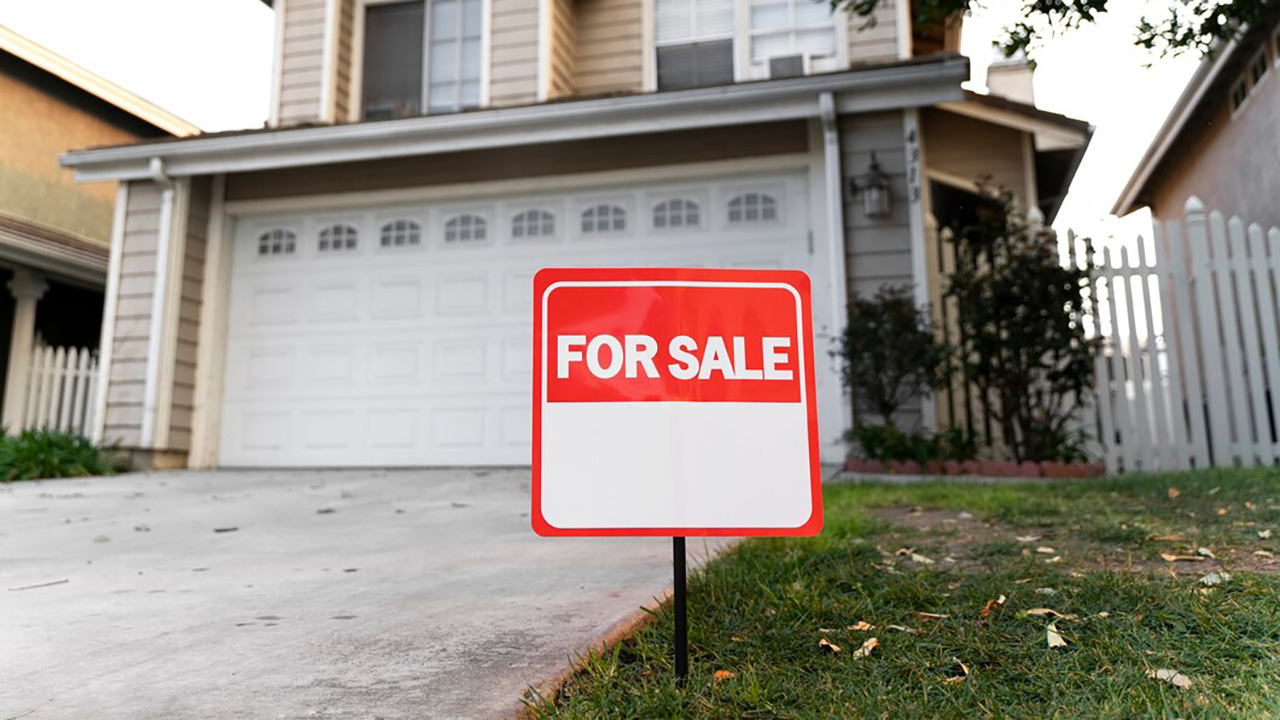
Inventory is rising in some areas, but sellers still don’t want to budge
Photo credit: freepik/Freepik.com
Across much of the country, you are finally seeing more “For Sale” signs stay up long enough to notice them. Inventory is climbing in several regions, yet many owners remain convinced their homes are still worth peak-pandemic prices and are reluctant to negotiate. That tension between rising supply and stubborn seller expectations is shaping how you shop, bid, and even appraise property in 2025.
Rising listings meet a more cautious buyer pool
After years of scarcity, the number of homes on the market is no longer scraping the bottom. National housing supply has now increased for 24 consecutive months, according to Key Highlights from a broad look at 2025 conditions, which means you are less likely to face the frantic one-weekend bidding wars that defined the pandemic boom. This shift is giving buyers more time to compare neighborhoods, weigh inspection results, and walk away from homes that feel overpriced instead of stretching to win at any cost. The same analysis notes that this slowdown gives home buyers a chance to regain some leverage, but it has not yet translated into a wholesale reset of prices.
Fresh data from a recent Monthly Housing Market Trends Report underscores how dramatic the shift in supply has been. The inventory of homes for sale rose 28.9% year over year in June, a jump that would normally signal a clear move toward a buyer’s market. Yet homes are still taking longer to sell and price cuts are not as deep as you might expect, because many sellers are clinging to the belief that the right buyer will eventually meet their number. As a result, you are navigating a market where the math looks more favorable on paper, but the psychology has not fully caught up.
Why more inventory is not translating into big discounts
In a textbook market, a surge in listings would push prices down quickly, but housing rarely behaves like a simple supply chart. Many owners watched neighbors cash out at eye-popping numbers in 2021 and 2022 and now see those sales as the benchmark for their own home, regardless of how much conditions have changed. Analysts tracking As the current “cruel summer” for housing describe sellers as anchored to peak price expectations, even as buyers push back with lower offers or skip homes that feel out of step with today’s financing costs. That anchoring effect slows down the normal adjustment process and keeps list prices sticky, particularly in popular suburbs and school districts.
At the same time, you are dealing with a demand side that is bruised by affordability shocks. Mortgage rates are still elevated compared with the pre-2020 era, and many would-be buyers are stretching to qualify even before they factor in property taxes, insurance, and maintenance. When you combine that with sellers who refuse to budge, the result is a standoff: more homes technically available, but fewer deals that pencil out. This is why you might see price reductions on your favorite real estate app without feeling like anything is truly “on sale” yet.
High borrowing costs keep both buyers and sellers on edge
Financing is the quiet force behind much of the gridlock you are seeing. According to a detailed forecast that draws on Sources including Realtor, Freddie Mac and Fannie Mae, the Average 15-Year Fixed Mortgage Rate sits around 5.51%, up 0.02 m month over month, while 30-year loans remain even higher. Those figures are lower than the peaks you saw in 2023, but they are still well above the ultra-cheap money that fueled the pandemic boom. For buyers, that means every extra quarter point in interest can erase thousands of dollars in purchasing power, forcing you to trade down on size, location, or amenities.
On the seller side, high borrowing costs create what economists call the “lock-in” effect. If you refinanced into a 2.75 percent mortgage in 2021, giving that up to buy a new place at 6 or 7 percent can feel like a nonstarter. A midyear outlook on Factors Driving the Market notes that High Mortgage Rates in the 6 to 7 percent range keep many buyers cautious and many owners rooted in place. That reluctance to move limits the flow of fresh listings in some areas even as others see inventory pile up, creating a patchwork market where your experience can vary dramatically from one ZIP code to the next.
Prices are still rising, just not at breakneck speed
Even with more homes on the market and buyers pushing back, national price trends have not flipped into outright decline. Research from Morgan Research expects house prices to rise by about 3 percent overall in 2025, a far cry from the double-digit spikes of the pandemic but still a gain. For you, that means waiting on the sidelines in hopes of a big crash could backfire, especially in regions where job growth and limited new construction keep a floor under values. Instead of a bubble bursting, the data points to a slow grind in which prices cool gradually while incomes and savings try to catch up.
That pattern aligns with the broader narrative that prices are still rising, just slower. Analysts who track Mortgage trends argue that as long as rates stay elevated and inventory builds only gradually, you are more likely to see modest appreciation than a sharp correction. In practical terms, you might notice fewer bidding wars and more contingent offers getting accepted, but you are unlikely to stumble on 2018-level pricing in hot metros. The upshot is that timing the market perfectly is nearly impossible; instead, you need to focus on whether a given home works for your budget and life over the next five to ten years.
Stubborn sellers and the psychology of peak pricing
Behind every listing that feels overpriced to you is a seller with a story, and lately those stories share a common theme. Many owners are still mentally living in 2022, when neighbors sold in days and buyers waived inspections just to get a foot in the door. A widely cited analysis of the current “cruel summer” for housing notes that Sellers are unhappy because they remain anchored to peak price expectations even as showings slow and offers come in below list. That disconnect leads to homes sitting on the market longer, repeated small price cuts, and a sense of frustration on both sides of the transaction.
Some owners are so resistant to lowering their asking price that they would rather pull the listing altogether. Reporting on recent delisting trends quotes housing analyst Ant as saying that sellers who yank their homes off the market instead of cutting prices are still anchored to pandemic-era prices even though the market is telling them otherwise. For you as a buyer, that behavior can make inventory look more plentiful than it really is, since a portion of the listings you scroll past are effectively “not for sale” at any realistic number. It also means that when you do find a motivated seller, you may have more room to negotiate than the headline price suggests.
Regional Market Variations and Localized Impacts on value
While national averages grab the headlines, your experience is ultimately shaped by what is happening in your specific metro, neighborhood, and even school zone. Analysts who focus on Regional Market Variations and Localized Impacts emphasize that the 2025 real estate market is heavily influenced by local job growth, migration patterns, and zoning rules, creating significant localized impacts on estate appraisals. In fast-growing Sun Belt cities, for example, new construction is adding supply but strong population inflows keep demand high, so prices may hold firm even as inventory rises. In contrast, some Midwestern and Northeastern markets are seeing slower population growth and more aging owners looking to downsize, which can tilt the balance toward buyers.
These local dynamics matter not just for what you pay, but for how lenders and appraisers view the property. When appraisers see a neighborhood with several stale listings and frequent price cuts, they may take a more conservative stance on value, which can limit how much your bank is willing to finance. Conversely, in a pocket where homes still sell quickly at or above list, appraisals may come in higher, supporting stronger prices even in a broader environment of rising inventory. Understanding these micro-markets helps you calibrate your expectations: a “buyer’s market” headline might apply to your region in general, while your specific block still behaves like a seller’s stronghold.
How the standoff is reshaping negotiations and contract terms
With more homes sitting on the market and sellers reluctant to slash prices, the battleground is shifting from sticker price to terms. You are increasingly likely to see concessions that do not show up in the headline number, such as closing cost credits, repair allowances, or rate buydowns that help offset today’s higher borrowing costs. In many cases, sellers prefer to keep the official sale price high, which protects their sense of value and supports future appraisals in the neighborhood, while quietly giving you financial help behind the scenes. That structure can be especially attractive if you are tight on cash for closing but can handle the monthly payment.
At the same time, buyers are regaining the ability to insist on protections that were often waived during the frenzy. Inspection contingencies, appraisal contingencies, and even home sale contingencies are making a comeback, particularly in areas where inventory has risen sharply and days on market are stretching out. For you, that means less pressure to accept a home “as is” and more room to negotiate repairs or credits if the inspection uncovers issues. For sellers, it is a reminder that the leverage they enjoyed in 2021 is gone, even if they are not yet ready to admit it in their asking price.
Why the market feels “stuck” for both sides
If you feel like the housing market is punishing everyone at once, you are not alone. A widely discussed analysis of the current environment describes a “cruel summer” in which buyers, sellers, and renters all share a sense of frustration. One key reason is that high financing costs and limited affordable options leave buyers squeezed, while owners who are locked into low interest rates feel trapped in homes that no longer fit their lives. Reporting on this stalemate notes that Factors like high financing costs and owners locked into low interest rates are contributing to stalled transactions and keeping prices elevated.
For you, that stuck feeling shows up in subtle ways. You might tour a home that seems perfect but learn the seller will only move if they get a number that lets them replicate their current lifestyle in a more expensive rate environment, which may be unrealistic. Or you might delay listing your own place because you are worried about finding something to buy that does not blow up your budget. Until rates fall more meaningfully or incomes catch up, this mutual hesitation is likely to persist, keeping transaction volumes muted even as more homes technically sit on the market.
How to navigate a market where inventory is up but flexibility is not
In a landscape where listings are rising but many owners refuse to budge, your strategy matters more than ever. On the buy side, that means getting preapproved early, knowing your absolute ceiling, and being ready to move quickly when you spot a realistic seller. You should also pay close attention to days on market and price history; a home that has lingered for months with several small reductions may signal a seller who is finally ready to negotiate in earnest. In contrast, a freshly listed property with a firm price in a tight micro-market may require you to come in strong if you truly want it.
If you are selling, you need to recognize that the playbook from 2021 no longer applies. Pricing slightly below the last comparable sale, investing in repairs and staging, and being open to concessions can attract serious buyers in a way that clinging to a fantasy number will not. Watching how National trends filter down to your street, and how quickly well-priced homes go under contract, will give you a more realistic sense of value than distant pandemic-era comps. In a market defined by rising inventory and rigid expectations, the side that adapts first, whether buyer or seller, is the one most likely to walk away with a deal that actually works.